
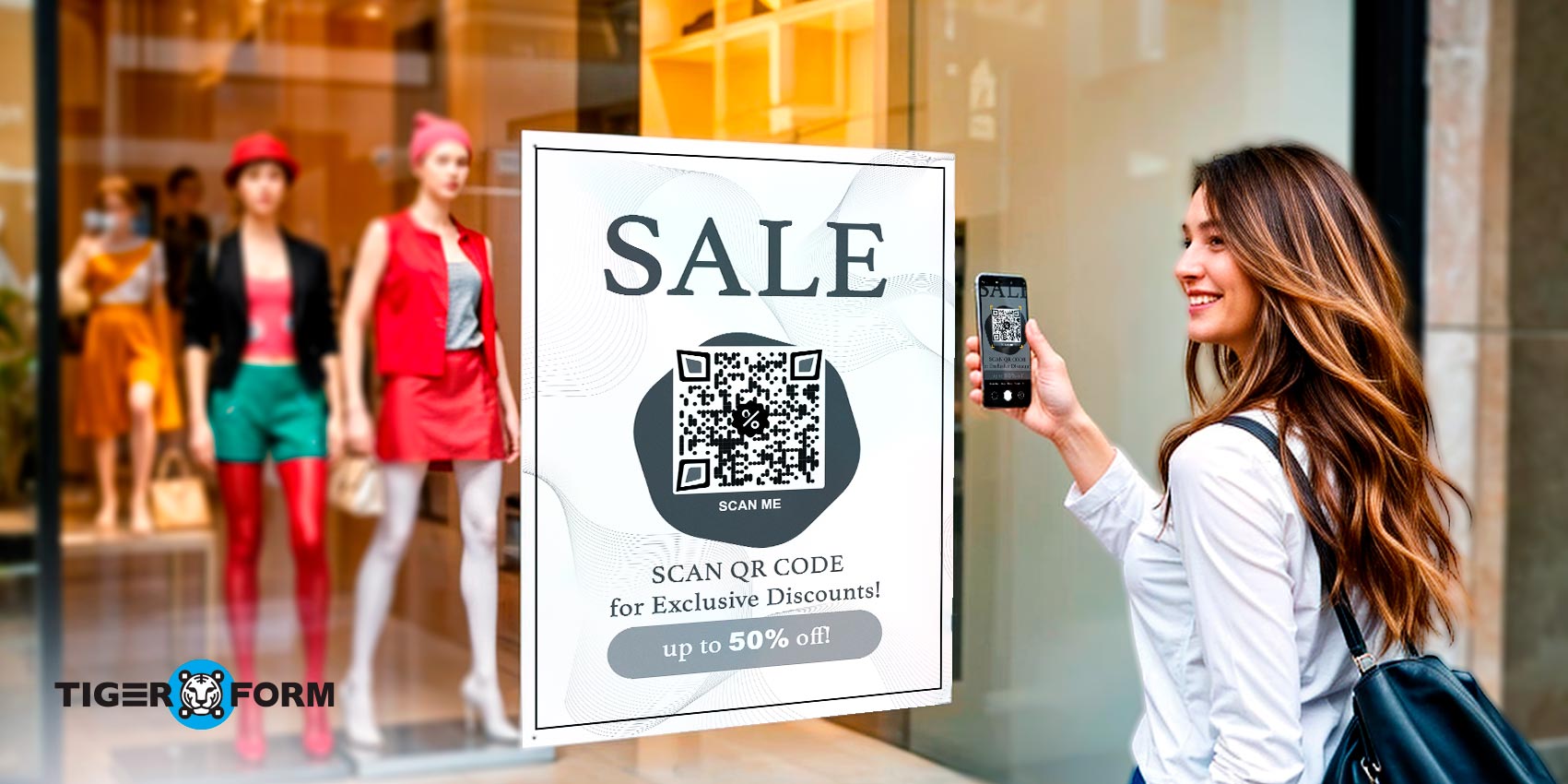
In today’s world, organizations and businesses are always searching for ways to engage with the targeted audience effectively. They look for innovative ways to enhance their marketing strategies.
Among other tools and practices, QR code promotion forms for advertising have become very popular. These forms engage customers and collect their information regarding participation in promotional events, contests, or offers.
With so many benefits, knowing the most effective way to deploy promotion forms in marketing campaigns is essential. Let’s find that out.
What is a promotion form for advertising?
A promotion form for advertising is an online or printed form used to collect customer details for marketing campaigns. It helps businesses manage entries, confirm participation, and gather useful data for future promotions.
Tools like ads or flyers help promote exciting marketing campaigns. When offering things like coupons, contests, or polls, a well-designed promotion form for advertising makes it easy for customers to participate and encourages them to get involved.
These forms contribute to increased conversion and deeper customer understanding as they allow customers to participate actively. The best part is that they can be linked to QR codes using a online form creator, a form builder for promotions and advertising.
Business entities use this tool to create and distribute promotional forms. It is not only efficient but also helpful in reaching a wider audience.
Must-have fields every advertising promotion entry form needs

Every ad promotion form collects data for two main goals: (1) to know your participants and (2) to validate their entries. With these goals, your form should include the right fields to achieve both.
Each field helps confirm who joined, record their consent, and track participation. Failing to include the correct fields can lead to incomplete entries, unverified winners, and problems in your ad campaign.
So, below are the field groups that make a complete and reliable promotion form for advertising:
I. Participant information
This section helps you confirm who joined your promotion and how to reach them later. It’s one of the most important lead generation form fields since it keeps entries valid and organized. Without these fields, you risk duplicate entries, fake submissions, or missed winner notifications.
- Participant name
The name field identifies the person joining. This field is non-negotiable and should be in every form unless you’re running anonymous surveys or entries. Use separate first and last name boxes if your form or promotion builder allows it.
- Email address
The email address field is a key part of your ad promo form, serving as the main communication channel between you and your participants. You’ll use it as a contact point for winner announcements and promo updates. To avoid wrong entries, add an email format validator so users can’t submit invalid addresses.
- Phone number
The phone number field serves as another way to contact your participants, and more importantly, phone numbers are used to verify participant identity. But it’s best to keep this field optional to avoid a high bounce rate. According to HubSpot, making the phone number required can reduce form submissions by up to 37%.
- Street address and zip code
An address is needed to send material or tangible prizes or verify eligibility based on location. Ask only for what’s necessary, especially if your promotion is limited to specific regions.
II. Promotion details
This category defines the promotion’s purpose. It informs users about what they’re signing up for and sets expectations. Missing these details can lead to confusion or mistrust among participants.
- Promotion name
The promotion name tells users which campaign they’re joining, especially if you’re running more than one at a time. Keep it short and distinct so participants can easily recognize it.
- Prize description
This field explains what participants can win. Be specific to avoid confusion or disappointment. Instead of saying “exciting prizes,” write exact items like “$50 gift card” or “free one-month subscription.”
- Date coverage
This defines when your promotion starts and ends. It helps users know the entry period and prevents misunderstandings about expired or ongoing offers. Always display these dates clearly at the top or bottom of your form.
- Winner reveal date
This shows when winners will be announced. Sharing this builds trust and keeps participants from constantly asking about the results. If possible, add a short note about how the winner will be notified.
III. Consumer law compliance
This section keeps your promotion legally safe and transparent. It protects your brand and participants by setting clear rules. Without these fields, your promotion could face legal issues or lose credibility with the public.
- Promo terms and conditions
This outlines the promotion’s eligibility, entry rules, and prize handling. If long, link to a full version instead of crowding the form. Make sure users can easily find and read it before submitting their entry.
- Eligibility statement
This field states who can join. A common example is “Open to U.S. residents 18 years and older.” Adding this upfront prevents invalid entries and helps you comply with U.S. consumer laws.
- Promotion updates consent
This allows users to agree to receive promo updates or marketing emails. Keep it optional and separate from the main consent box for terms and conditions. This builds transparency and trust with participants.
IV. Entry method
This is where participants confirm their action. It’s the final step that determines whether an entry goes through. Poorly designed calls to action or missing buttons can cause drop-offs or incomplete entries.
- CTA section
Use simple text like “Join Now” or “Enter the Promo.” Avoid vague terms such as “Submit.” Make the button stand out visually.
- Submit button
This final field sends the entry. Always link it to a confirmation message that reassures users their submission was received successfully.
The benefits of using a promotion form for your advertising campaigns
Promotional forms are a distinct way to attract and keep the target audience engaged. They help you run cleaner, more organized, and more effective campaigns. When used right, it becomes a quiet but powerful part of your advertising strategy when used right.
1. Easier campaign management
A promotion form keeps everything in one place. You can track who joined, when they entered, and how many participants you’ve reached. This keeps your campaign organized and reduces the manual work of sorting or verifying entries.
2. Better audience targeting
Forms let you ask the right questions. You can collect details like age, location, or preferences to understand who your audience really is. This helps you tailor your next ads or promotions to reach the right people.
3. Higher trust and transparency
People are more likely to join when your campaign looks structured and legitimate. A clear form with proper details about the promo, prizes, and rules shows that your campaign is official and trustworthy.
4. Stronger consumer engagement
Promotion forms keep participants involved from start to finish. Filling out a form makes them feel part of something, especially when they receive updates or results afterward. This interaction keeps your brand on their radar even after the promo ends.
5. Useful data for future campaigns
Every submission gives you ideas about what works. You can see which promos attracted more interest or what demographics were most active. These data points help you plan smarter campaigns next time.
6. Smooth coordination across teams
When all entries and data are organized in one place, it’s easier for your marketing and operations teams to work together. No need for scattered spreadsheets or lost emails. Everyone stays aligned on one source of truth.
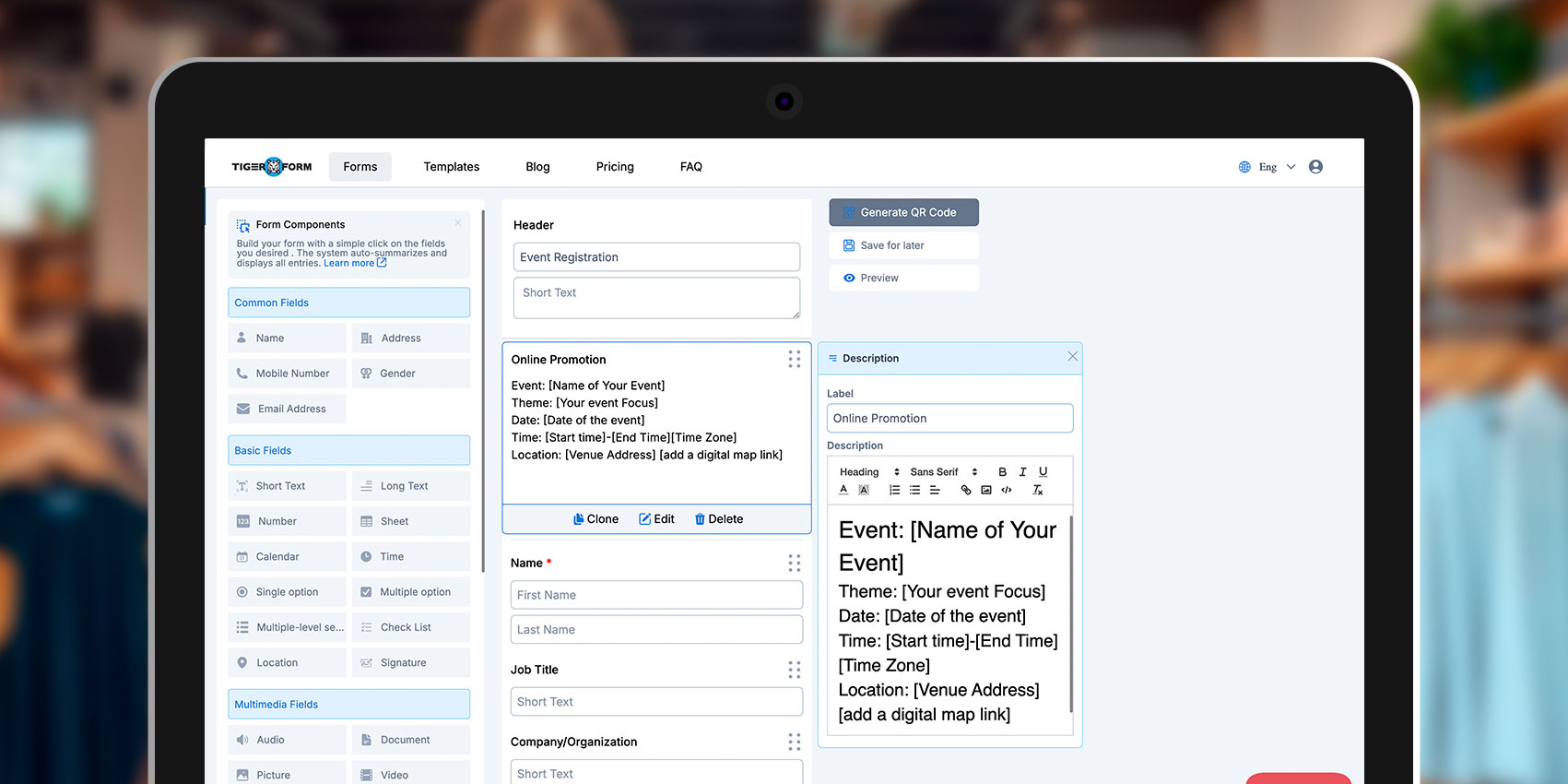
How do you create an ad promotion form with a QR code form
All set for your next marketing campaign? Follow this form creation guide to understand how to build a QR code promotion form.
Step 1: Create your form
Use the QR Form builder to create a form for your advertising promotion. This tool allows you to add questions, your logo, and any additional fields you may need. You start creating your form from a pre-made template or using the builder’s AI form generator.
Step 2: Generate the QR Code
Once the form is ready, you can click on “Generate QR Code” to develop a unique code that will lead directly to your form.
Step 3: Distribute the QR Code
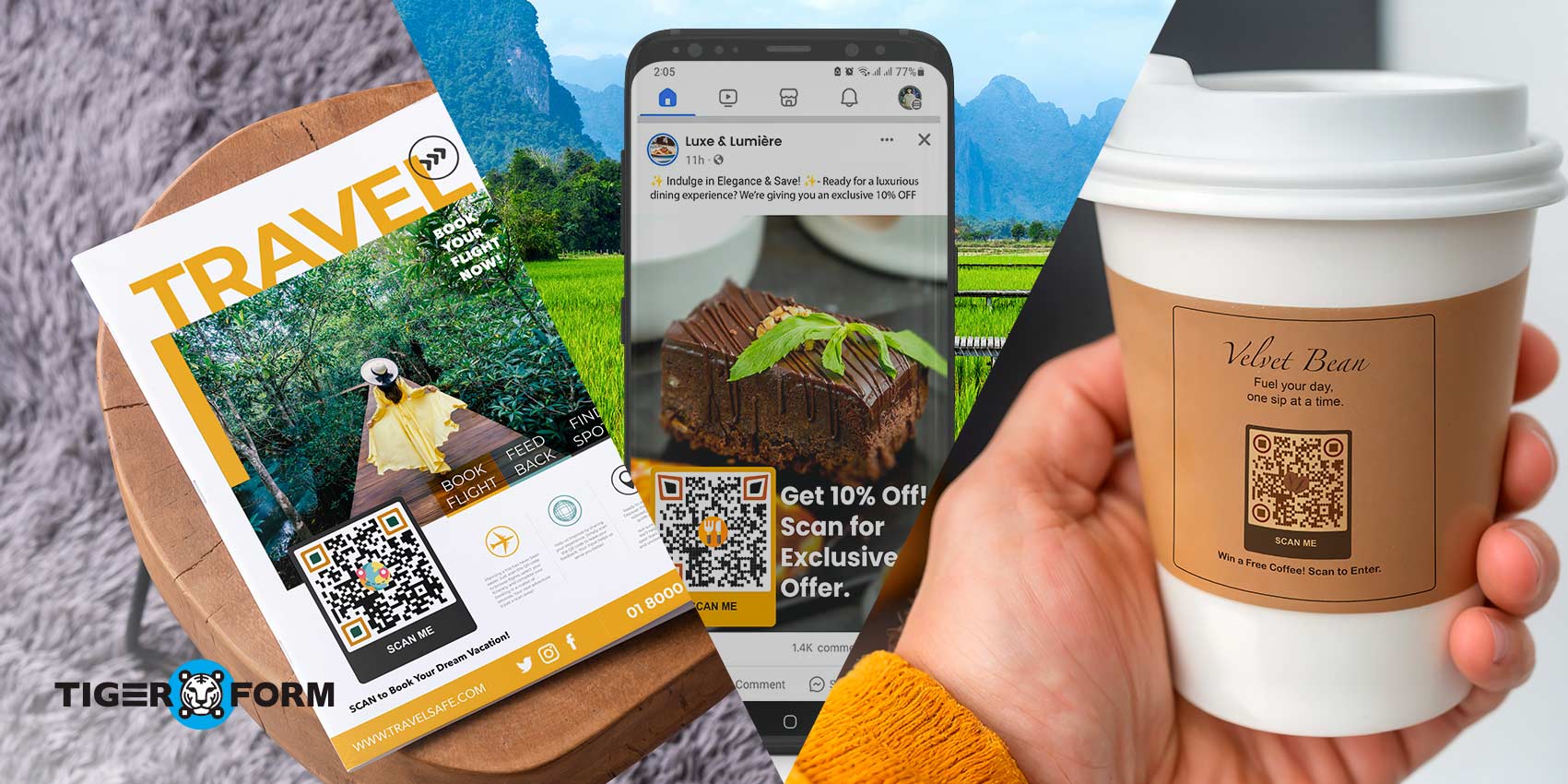
Use the form QR code in your marketing campaign, including flyers, posters, and social media posts. Ensure that the QR code is prominently placed in the accessible areas and easily distinguishable so that when someone points a phone’s lens at it, it scans well.
Step 4: Track and analyze responses
After your form goes live, use the form management dashboard to review submission data. You can check how many people submitted the form and how many scanned your QR code.
The dashboard also shows insights such as scan locations, countries, and device types. These details help you understand where and how customer engagement works with your promotion. Always review these metrics after a campaign. Use the data to see what worked, what didn’t, and how you can improve future promotions.
How does a promo QR code help in marketing?
A Promo QR Code is a coded and interactive image that quickly points customers to a company’s promotional offers and more. Here are some of the benefits that you can expect when you use a QR code:
Instant access and convenience
One of the top advantages of applying a promo QR code is the possibility of having more immediate customer access. It’s not convenient to use forms through personal links, website embeds, and other traditional ways of sharing.
A promo QR code makes it easier for clients to scan a code with their mobile phones, bringing up the promotion form. This ease of access can even increase the rates of participation.
Enhanced customer engagement
Since QR codes are interactive, customer participation can be significantly higher than other methods. When customers scan the code, they instantly get access to discounts, special offers, or contests on their devices. This quick method builds a strong customer relationship that leads to more involvement.
Trackable and measurable results
Another huge benefit of using promo QR codes is data monitoring. However, this advantage is particularly associated with dynamic QR codes. The information obtained every time someone scans a QR code can be used to analyze the level of consumer activity.
This data helps determine the effectiveness of promotional campaigns, which will help you make better decisions for the upcoming marketing campaigns.
Cost-effective marketing
Businesses can save thousands of dollars simply by using QR codes in marketing campaigns. This is because QR codes are digital and require no extra material costs. Companies no longer have to invest in printed ads or physical coupon distribution; they can simply switch to QR code promo with just a small investment.
Easy social sharing
QR codes have better social reach than most traditional methods. Many businesses incentivize customers to scan a QR code to make marketing even more effective.
That said, customers feel compelled to share the deals with their family and friends, which obviously favors the brand’s visibility.
Tips for creating an effective promo advertising form
A good promotion form doesn’t just collect entries. It attracts attention, encourages participation, and gives clean, reliable data. Here are a few practical tips to help you build one that works well for your ad campaigns.
1. Keep it short and focused
Ask only for the information you truly need. Long forms discourage users from completing them. Stick to key fields like name, contact info, and promo-specific details. Shorter forms tend to get higher completion rates.
2. Use clear and friendly language
Write questions and labels in plain, conversational language. Avoid technical terms or complex instructions. When users instantly understand what to fill out, they move through the form faster and with fewer mistakes.
3. Organize fields by purpose
Group your questions logically. For example, keep personal information in one section, promo details in another, and consent statements at the end. This layout feels natural and makes the form easier to complete.
4. Make your call-to-action stand out
Use a clear and direct call-to-action like “Join the Promo” or “Submit Your Entry.” Avoid generic buttons such as “Send” or “Click Here.” A strong CTA tells users exactly what happens next and increases submission rates.
5. Match your branding
Design your form to look like part of your campaign. Use your brand colors, fonts, and logo. A consistent look builds recognition and trust, making users more comfortable sharing their details.
6. Test before launching
Always do a test run of your form before making it public. Check how it looks on mobile and desktop. Test if all buttons, links, and required fields work correctly. Fixing small issues early prevents confusion and drop-offs later.
7. Anti-spam and validation tips
Keep your form data clean by adding basic spam prevention features. Use simple validation rules like email format checks or required fields. Include a CAPTCHA only if needed, since too many steps can discourage users. Limit duplicate entries by setting one submission per email address. These steps help you maintain data quality and support an effective sales promotion.
Examples of promo ads you can execute for your business
1. Discount coupons
Offer a limited-time discount to first-time buyers or loyal customers. Ask them to fill out a short promotion form to claim the coupon and collect useful insights about their buying preferences.
2. Buy one, get one deals
BOGO offers attract both new and repeat customers. A promotion form can help you manage entries and prevent misuse by verifying each claim.
3. Flash sales
Time-sensitive deals create urgency. Use a promotion form to pre-register interested buyers and notify them once the sale goes live.
4. Loyalty rewards
Encourage repeat purchases by letting customers register through a form to join your rewards program. It’s a simple way to increase consumer engagement while maintaining organized records of loyal buyers.
5. Contests and giveaways
Ask participants to sign up using a promotion form for easy tracking. You can use the data to understand who engages most with your campaigns and what prizes appeal to them.
6. Seasonal promotions
Tie your offers to holidays or special occasions like back-to-school, Valentine’s Day, or year-end clearance. A short form lets customers register their interest and receive updates on upcoming deals.
7. QR code-based promotions
QR codes make your promo ads more interactive. You can place them on posters, flyers, or product packaging to link customers directly to your promotion form. This makes it quick for people to join your offer, which helps boost participation and consumer engagement in your effective sales promotion campaigns.

Transform your promotional advertisements with QR code forms
Using a promotion form for advertising can change the way you manage your promotions. When implemented correctly, the QR code form ensures higher participation rates, improved feedback collection, and more efficient interaction with consumers in general, thus making your campaigns significantly more effective.
Whether you’re utilizing a Google form QR code or our Form QR Code Generator, the benefits are massive! So, get rid of the boring forms and outdated flyers right away. Supercharge your promotions with a QR code, and you can get more people involved to give you valuable customer insights.
FAQs
Should I require an opt-in or consent?
Yes, include a clear consent checkbox for marketing communications and data processing to comply with laws like GDPR or CAN-SPAM. Provide an easy way to unsubscribe.
How do I integrate the form with my CRM or email marketing?
Use built-in integrations or Zapier/Make to push new submissions to your CRM, assign to lists, or trigger welcome emails. Map fields consistently (name, email, promo source).
How should I design the QR code distribution strategy?
Place codes where your target audience is (print ads, posters, product packaging, packaging inserts, event screens). Use trackable codes per location or campaign to measure performance.
What kind of incentives work well with QR-driven promos?
Discounts, freebies, loyalty points, entry into a raffle, and exclusive content. Tie the incentive to the brand and ensure the offer is redeemable in-store or online.
How do I test my QR promo end-to-end?
Print or display the QR code, scan with multiple devices, confirm the form loads, submissions go to the right system, and automated confirmations or follow-ups trigger correctly. Check edge cases (no internet, slow networks).
How can I measure ROI from a QR-based promotion?
Track total submissions, conversion rate to sale or lead, cost per lead, and incremental revenue from promo participants. Compare against control campaigns and iterate on design, placement, and messaging.