
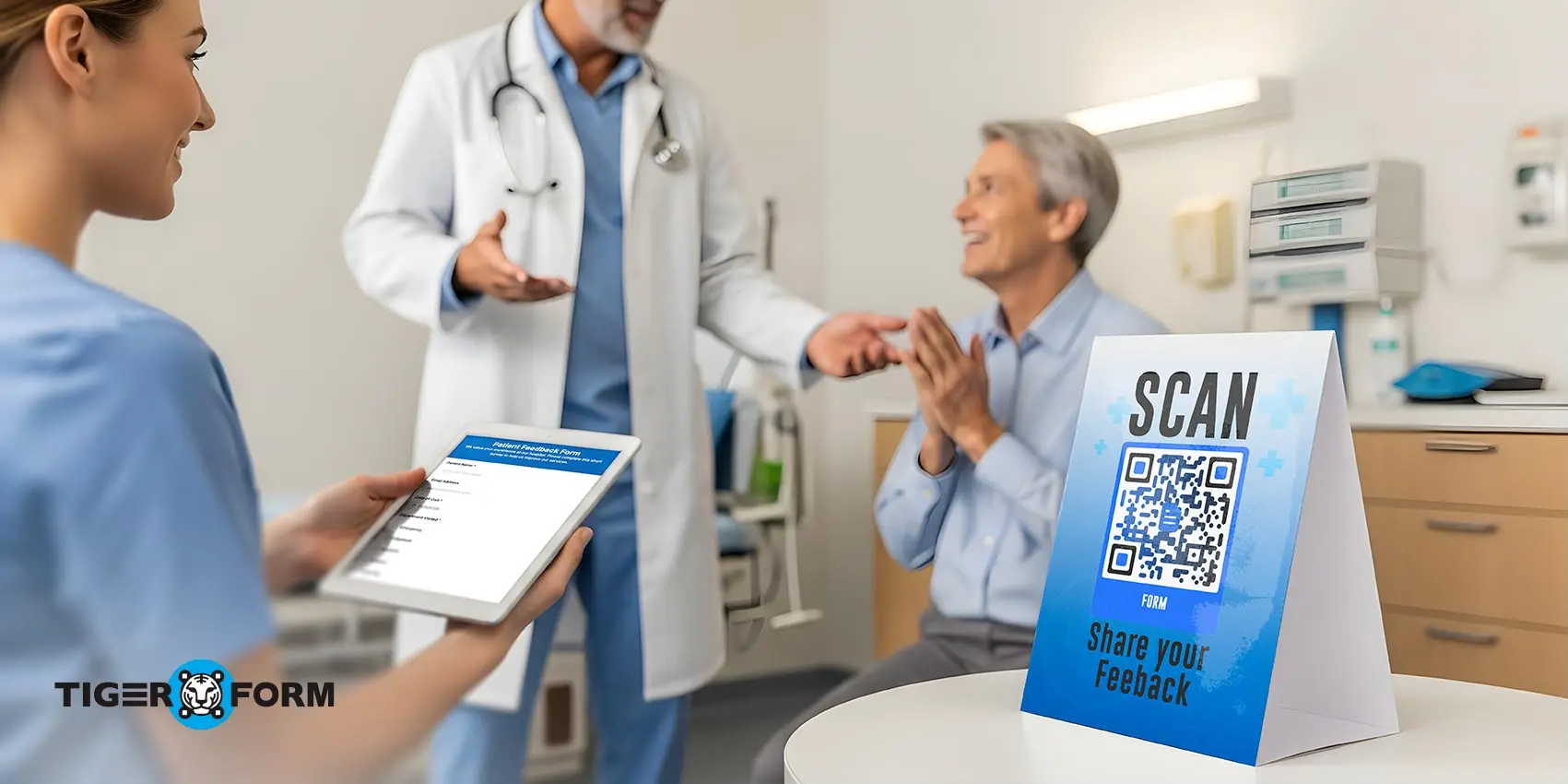
Most patient feedback forms collect data, but don’t help clinics actually improve care. And this is mostly because of low response rates or unusable feedback.
But using a high-impact patient feedback form template makes feedback measurable and actionable. Studies published in the Journal of Education and Health Promotion (2023) show that written feedback is 2.4 times more effective at reducing recurring issues. Patients share more detailed information when they write, without the social pressure of face-to-face conversations.
Below, we’ve shared 10 patient feedback form templates with a guide on how to use them. We will also explain how feedback benefits healthcare, how QR codes simplify its collection, and offer tips to make the most of the responses.
What are patient feedback forms?
A patient feedback form is a structured way to collect patients’ opinions, concerns, and suggestions after an interaction with your healthcare service. It turns informal comments into usable data.
Unlike casual conversations, forms create consistency. Every patient answers the same core questions. This allows you to spot trends across visits, departments, or time periods.
Forms also lower the barrier to honesty. Many patients hesitate to speak up face-to-face. A form gives them space to respond calmly and privately. Research from the Journal of Patient Experience shows that written feedback often contains more specific details than verbal comments.
Using feedback forms helps you document issues. This matters for quality audits and compliance reviews. It also helps you track progress. When you change a process, future responses show whether the change worked.
Digital patient feedback forms add another layer. They reduce paperwork, speed up collection, and allow instant patient reviews. When paired with QR codes, they become easy to share and easy to complete.
How important is patient feedback for healthcare providers
Clinical outcomes, metrics, and documentation matter, but they do not always reflect how patients feel about their experience. Patient feedback fills that gap and shows you how care is perceived, not just how it is delivered. There are several specific practical reasons why feedback matters:
- It reveals blind spots in patient experience that providers and administrators cannot see from the inside.
- It helps you prioritize real patient pain points instead of assumptions. This matters because Salesforce found that 52% of customers expect organizations to act on feedback, not just acknowledge it.
- It supports quality improvement programs, accreditation efforts, and reporting obligations.
- It strengthens trust by showing patients that their voice is heard and acted on. And, Gominga data shows that 74% of customers trust a service provider more when they see relevant positive feedback.
With a systemized process for gathering feedback, you can compare feedback across locations or healthcare departments, track changes over time, and link improvements to the specific steps you took.
10 free patient feedback form templates for quick setup
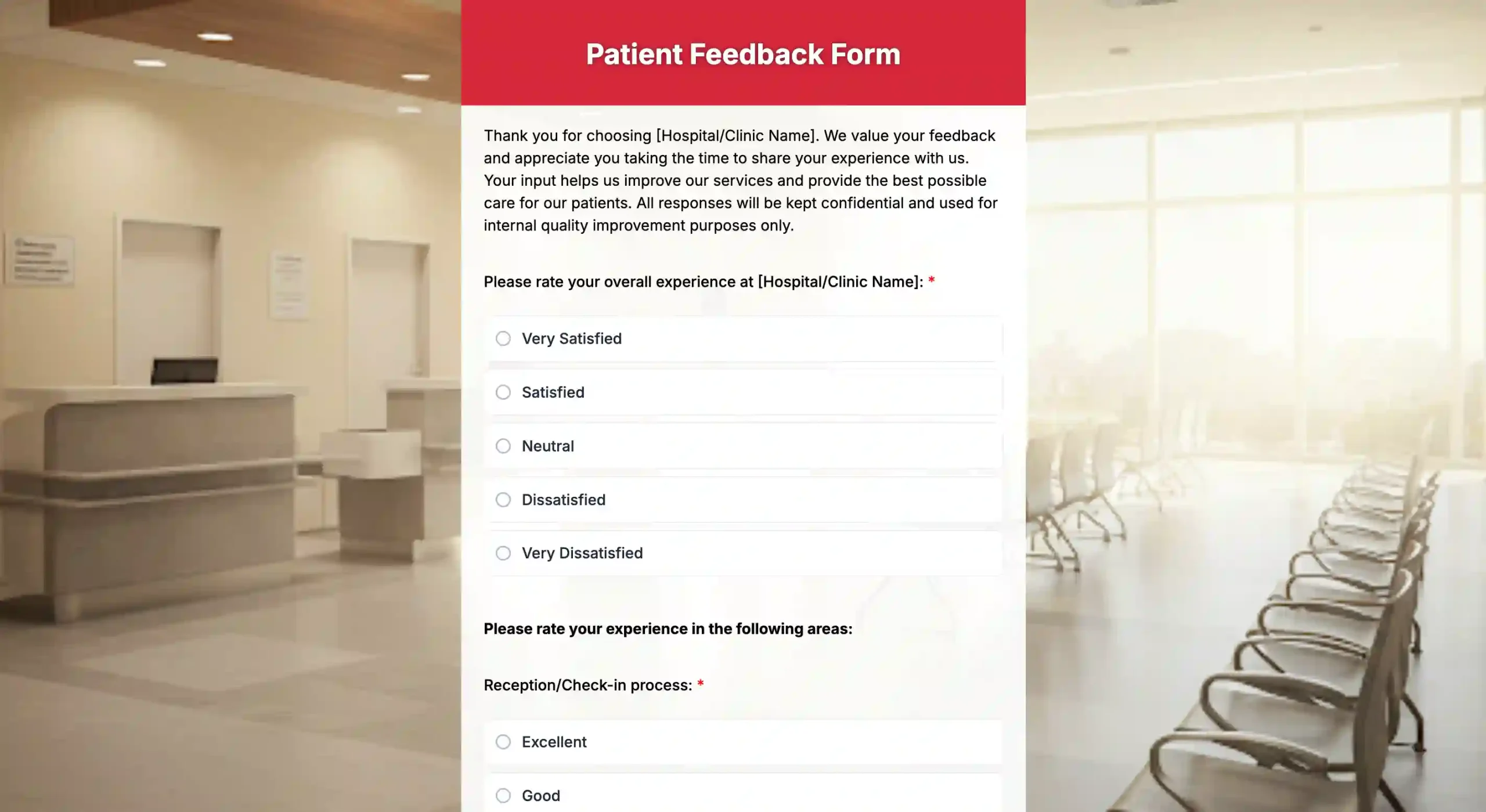
1. Patient feedback form
This patient feedback form will be your default, everyday feedback portal for your post-appointments, procedures, or telehealth visits to gather overall impressions of the experience. This template will provide continuous feedback on how the patient feels about your service and identify recurring themes across their interactions with your team.
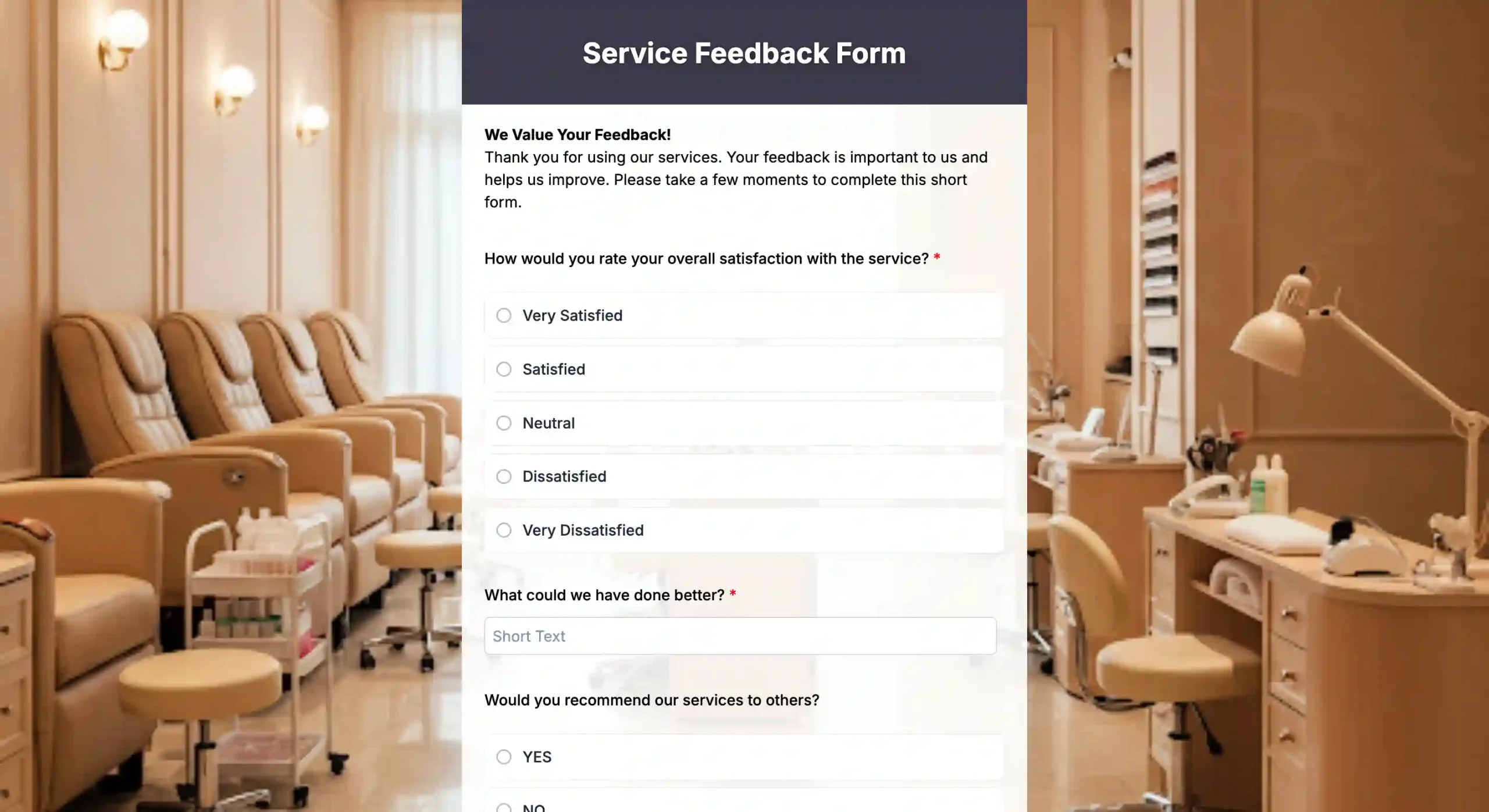
2. Service feedback form
This form can be used for a single service rather than the full patient visit. It helps you capture clear opinions on a specific offering, such as lab tests, physical therapy sessions, or vaccination clinics. If you want to improve a department’s service or spot service gaps, this template best fits your needs.
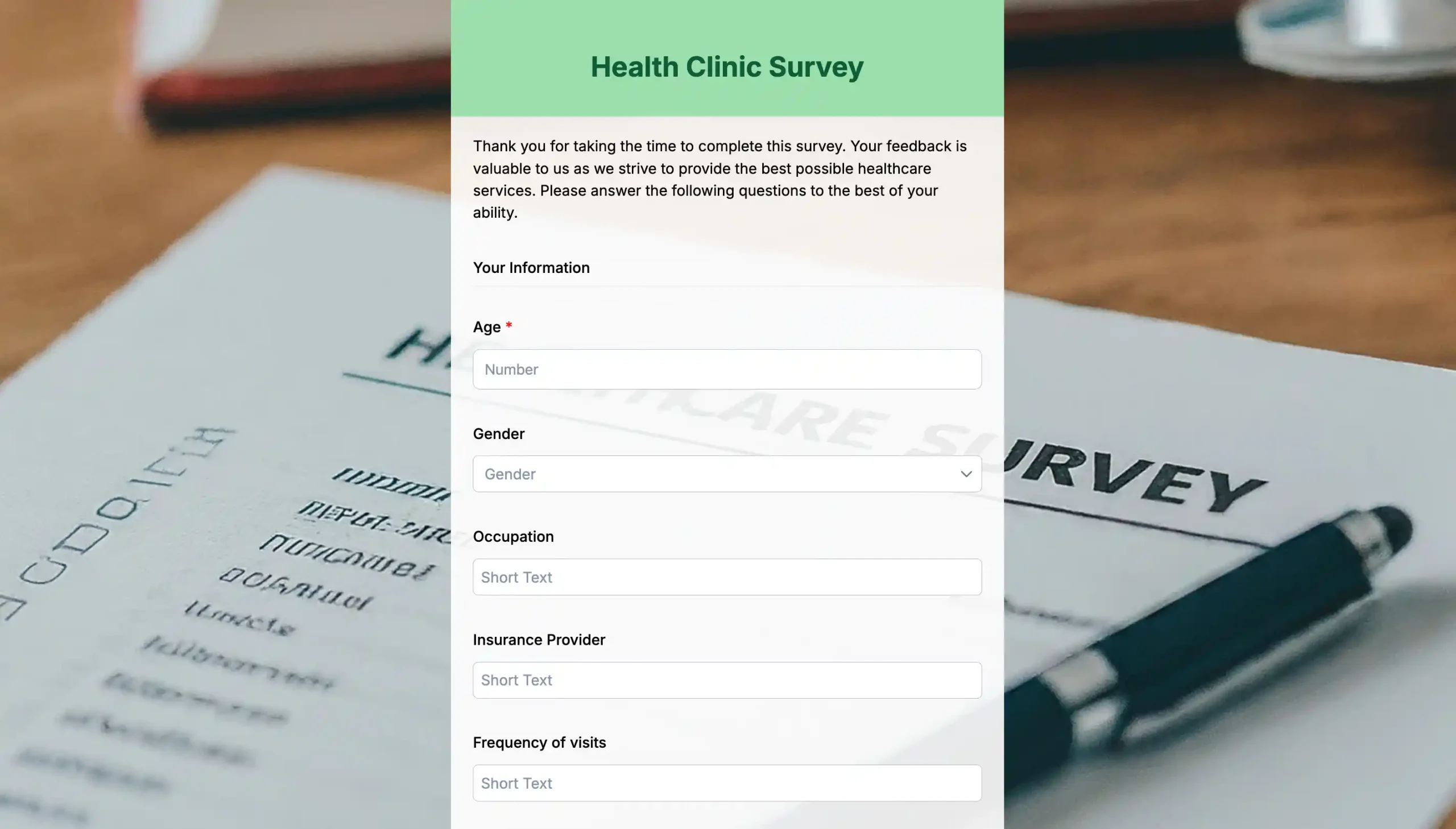
3. Health clinic survey
A clinic survey is a more comprehensive form that collects data on how patients see the clinic as a whole, rather than just individual appointments. Because it evaluates the whole clinic, this template is ideal for annual reviews, strategic planning, or accreditation evidence.
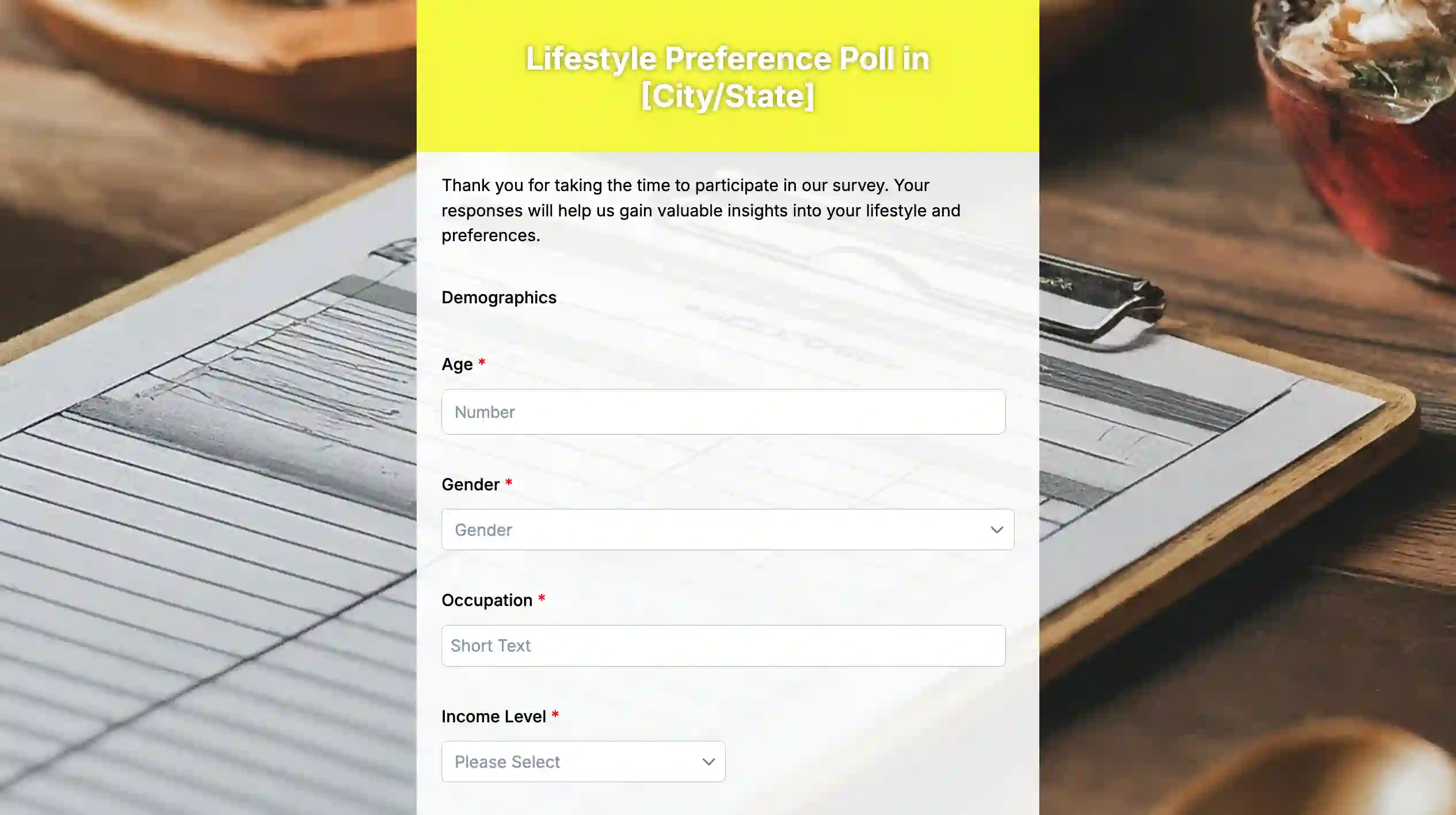
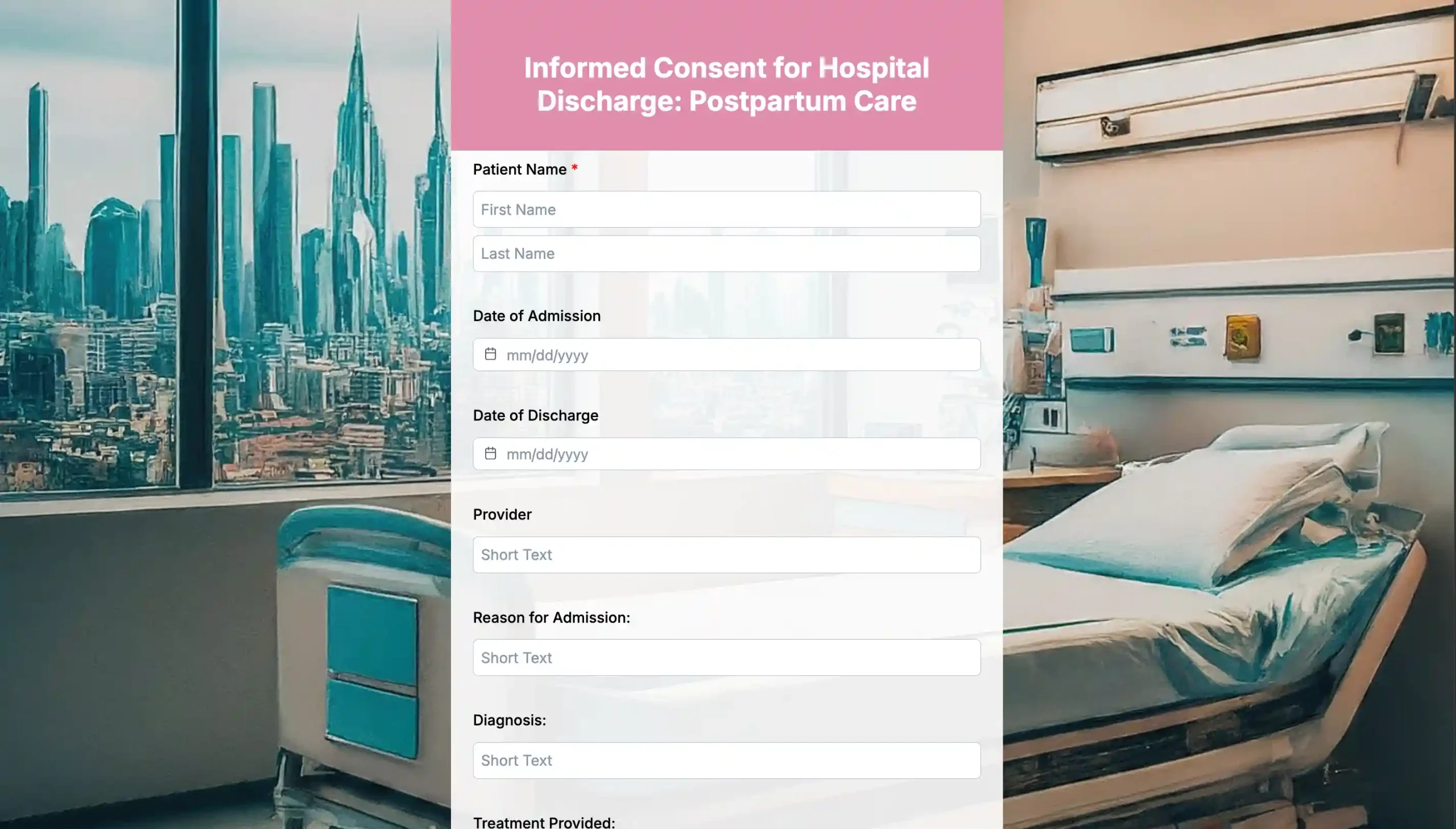
5. Hospital release forms
Hospital release forms or discharge feedback forms focus on the moment a patient leaves the hospital. Their benefit is capturing insights about hospitalization while the experience is still fresh, and ensuring that the patient understands what happens after hospital discharge.
Tip: Have a follow-up after this form, especially if a patient reports confusion or concerns about going home.
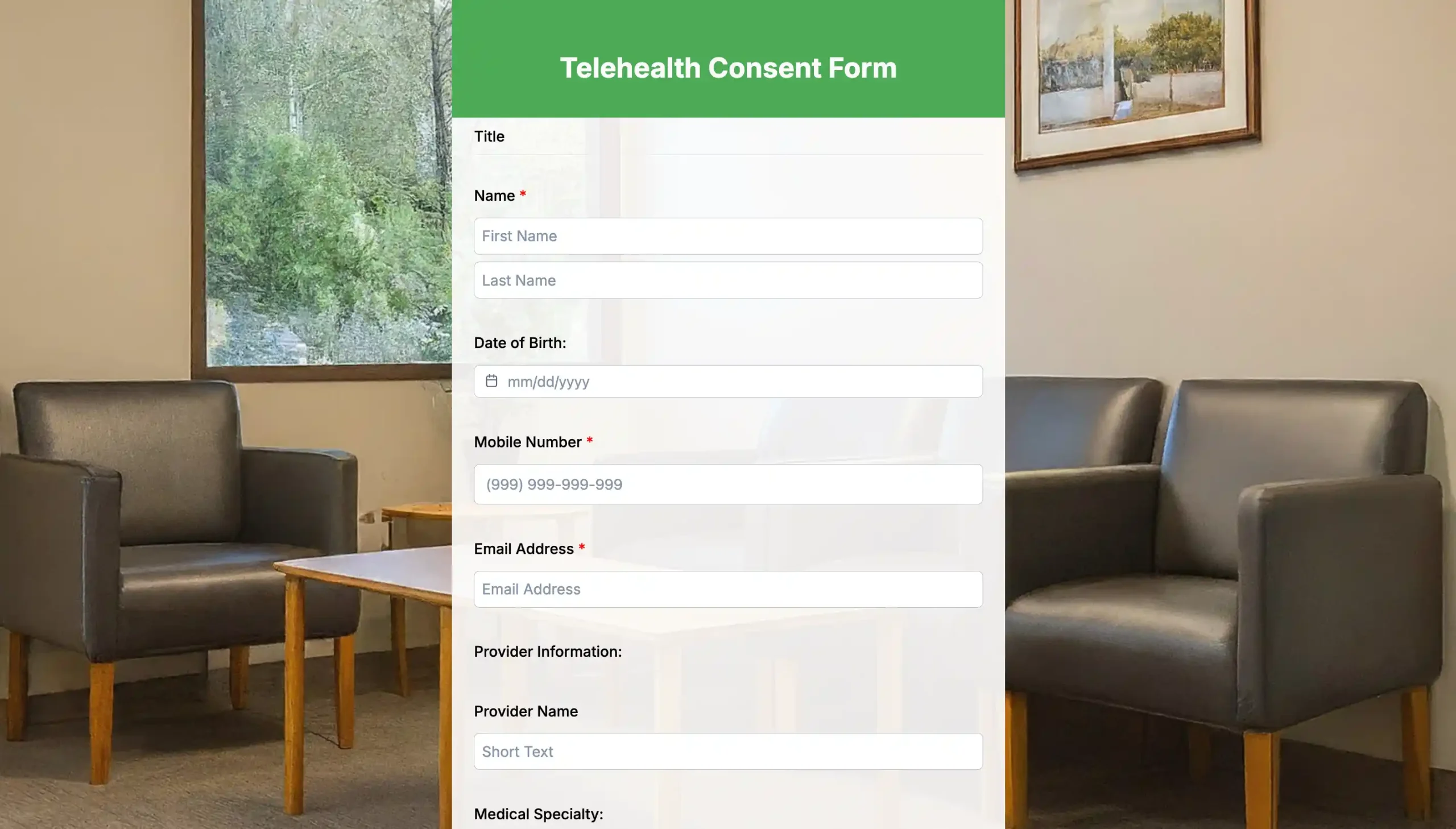
6. Telehealth consent forms
Telehealth consent forms cover both consent and patient readiness. Telehealth consent forms help patients understand how virtual care works, along with its limits and risks, before they continue.
This form can have short questions to learn what patients expect from the session: “Have you used telehealth before?” or “How comfortable are you with video visits?” These questions help you notice problems and follow telehealth usage.
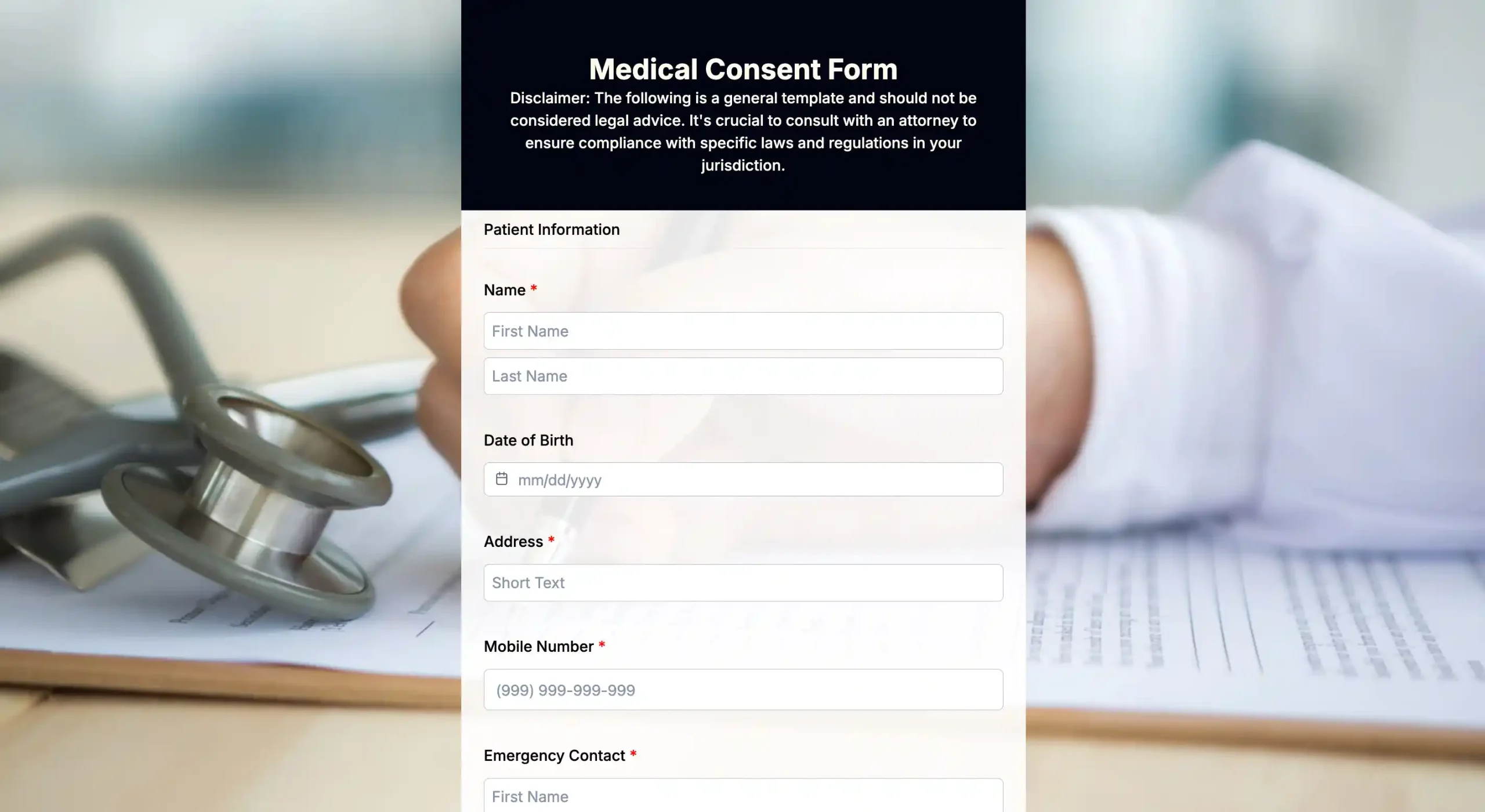
7. Medical consent forms
This consent form template will document informed consent and can improve communication with patients undergoing procedures or treatments. This digital form can ask feedback prompts like, “Did you have enough information to decide?” This links consent to feedback, helping you improve how you explain procedures.
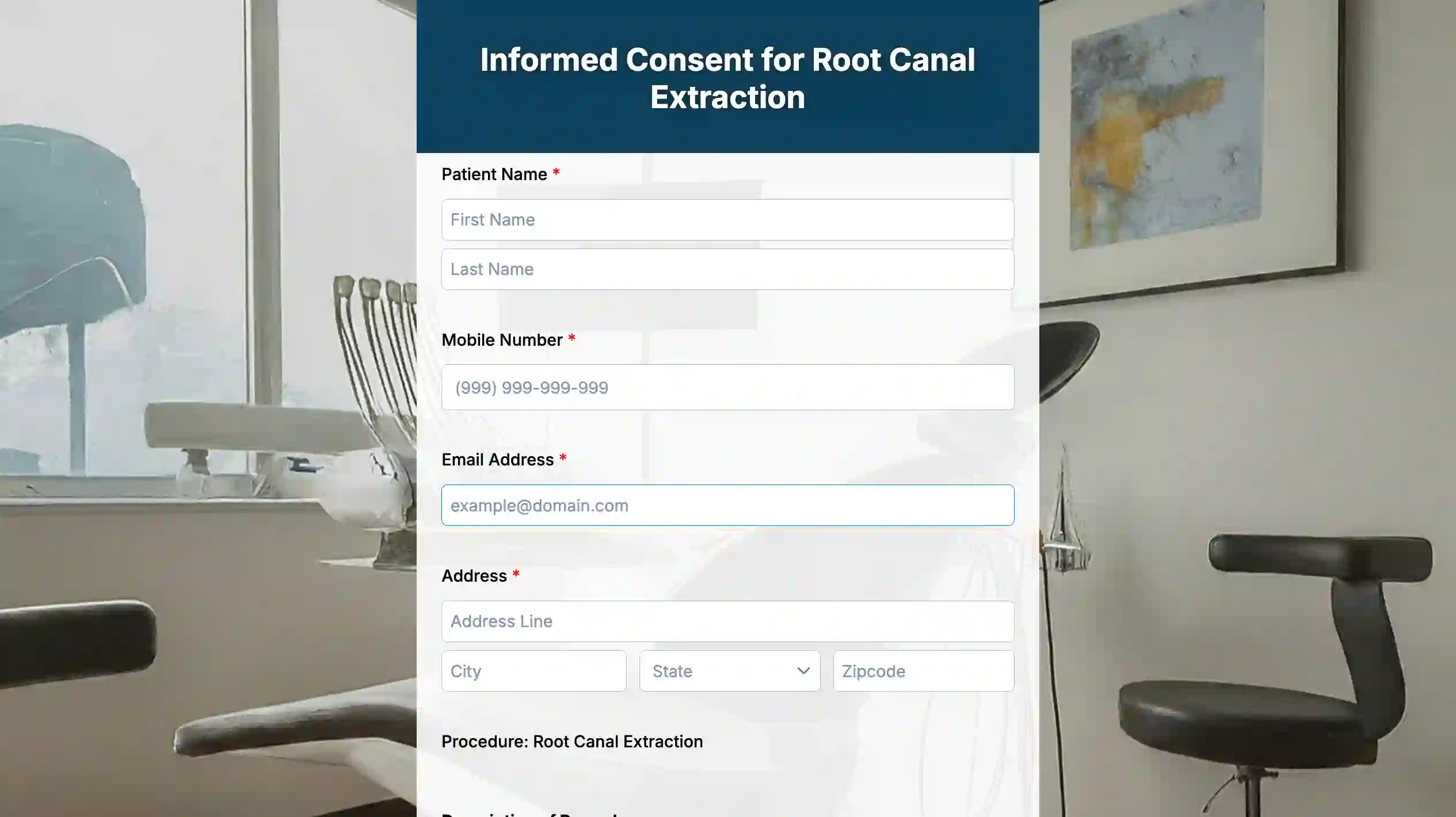
8. Dental consent forms
Dental consent forms are a type of medical consent form for dental treatments. This is used to ask patients’ consent for sessions such as extractions, implants, orthodontics, or cosmetic procedures.
The form can be combined with a brief comfort and expectations section that asks how anxious the patient feels and what would help them feel more at ease.
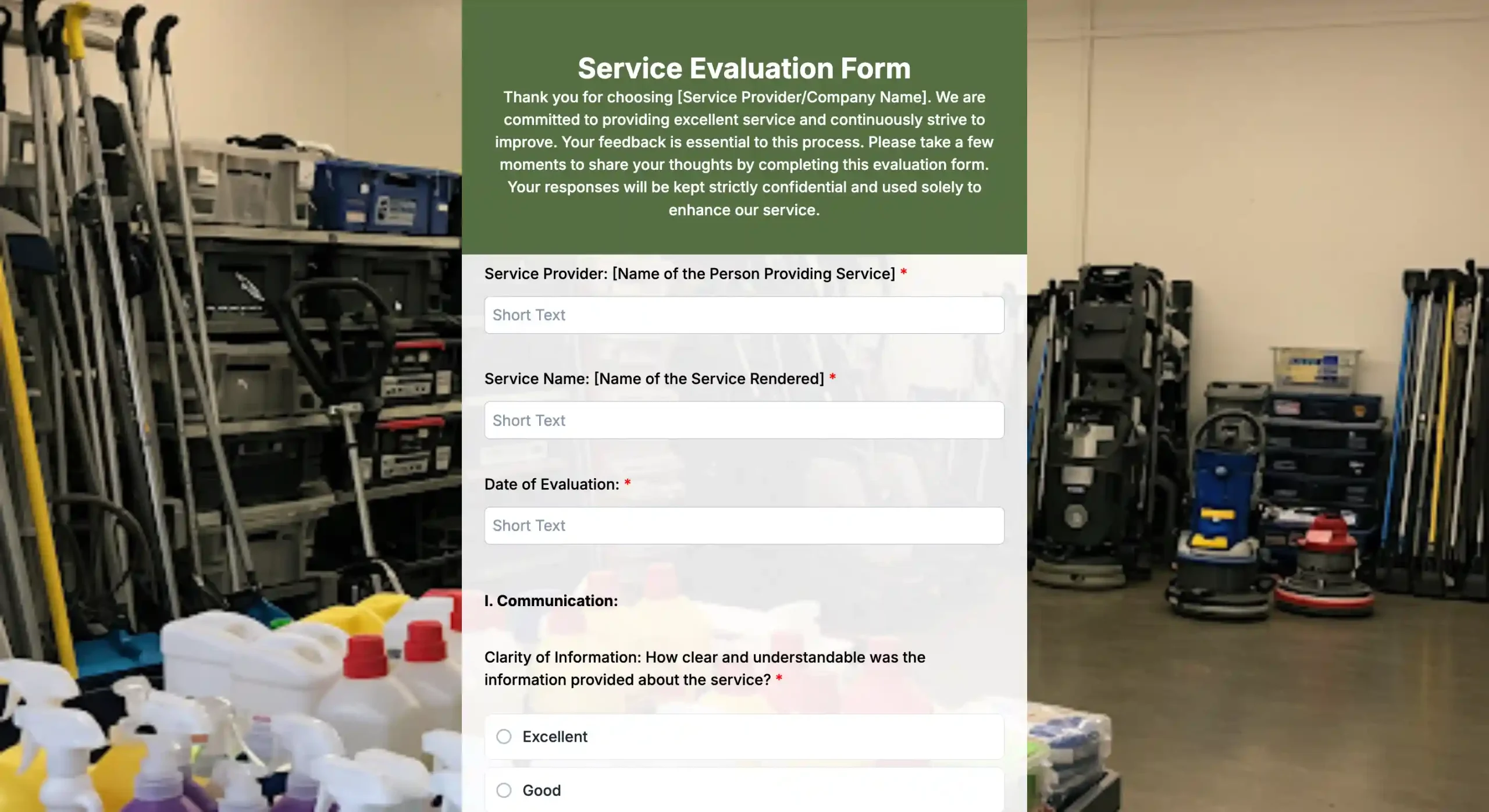
9. Service evaluation form
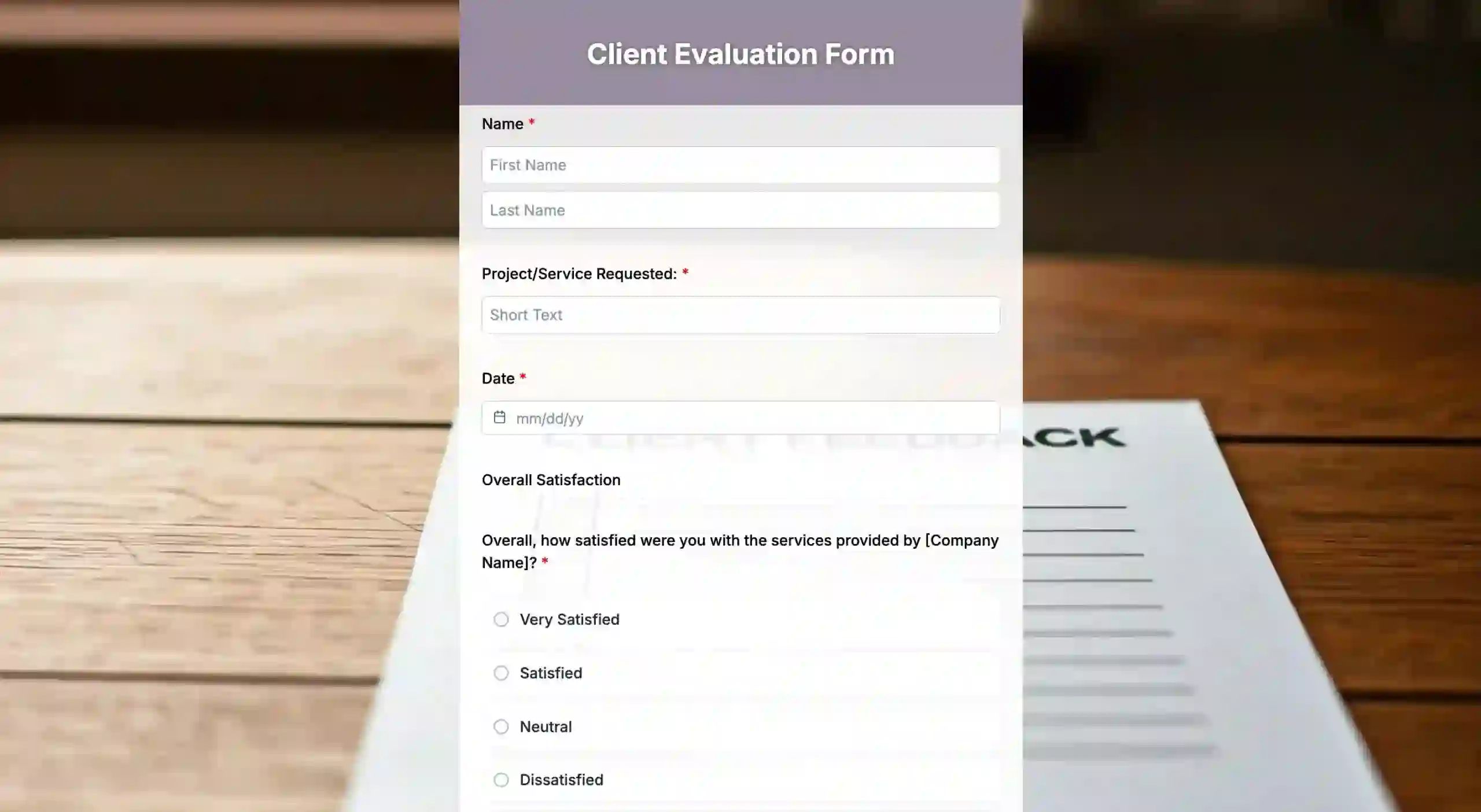
A service evaluation form is another type of service feedback form that is distributed to measure the performance of your staff, processes, or departments from the patient’s perspective. You can use this template to identify specific areas for improvement, such as understaffing or undefined patient care quality.
How to use and customize these patient feedback forms
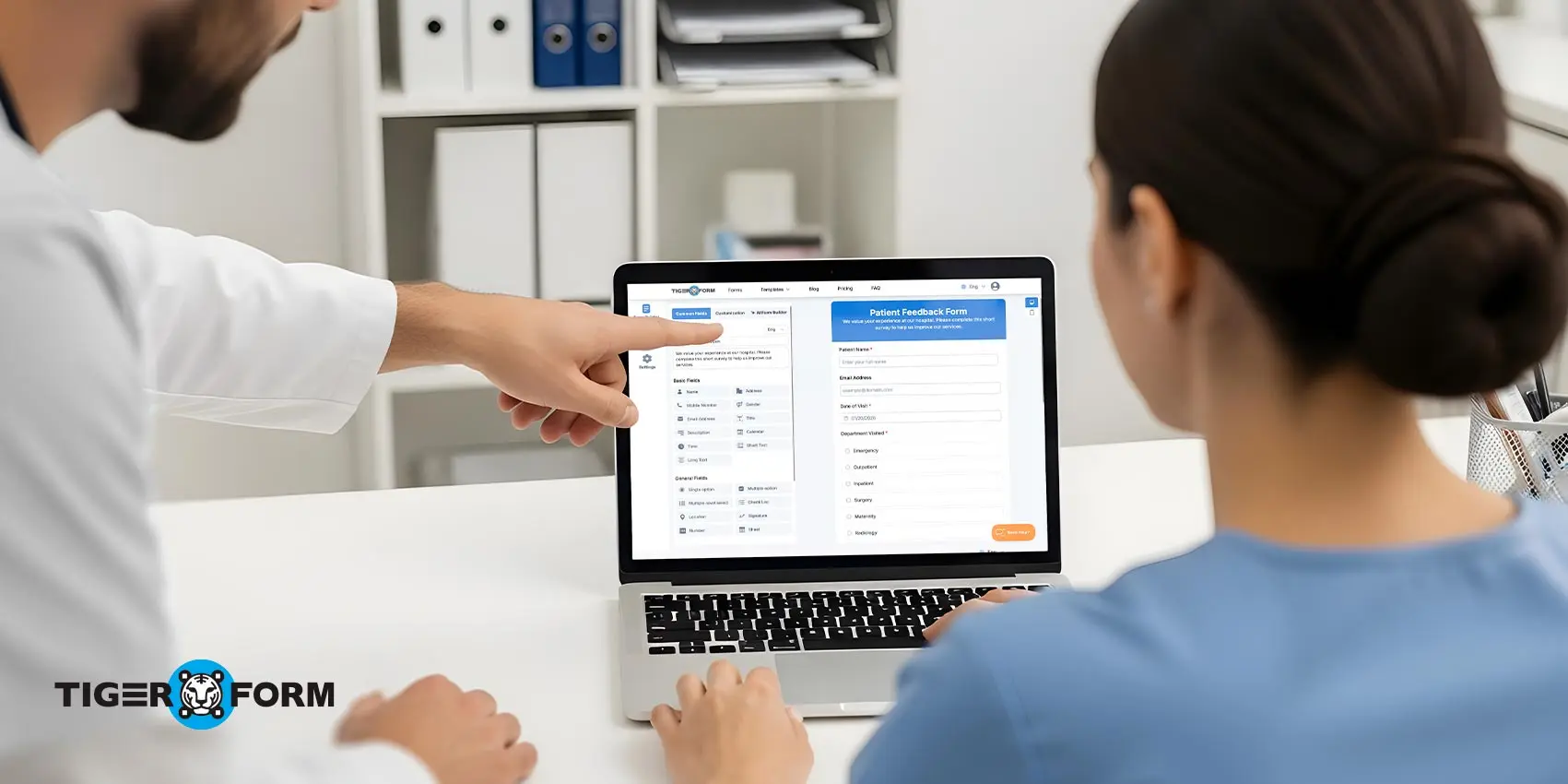
Review the template
Check the pre-made fields and features of your form, and make sure your chosen patient feedback form template matches the data you want to collect. Add or remove questions as needed; you can even mention your practice name and service names.
Preview and finalize
Test and preview your forms across mobile, tablet, and desktop to see the final look. Review and fix any faulty spacing, confusing wording, or layout issues. Save and finalize the form once everything looks right
3. Generate the QR code
After, click the “generate QR code” to create the linked QR code for your form. Customize the QR code with your clinic or department logo and brand colors
4. Integrate with your healthcare systems
Using integration tools to connect the form to your existing healthcare technologies, such as PMS, EMR, or EHR systems. Automate follow-ups by linking ratings to your database.
5. Distribute access
Place the printed QR code in exam rooms and waiting areas. For digital distribution, embed the QR codes in follow-up emails or on your website pages and social accounts.
This way, patients can quickly get to your forms. You can also add the QR codes to patient portals or text messages. Make it super simple for them to fill out while the doctor’s visit is still on their mind.
6. Monitor and evaluate
Look at the response data submitted on your TIGER FORM account dashboard. Track scans and submissions by user, device, location, and country.
Spot common problems or trends by department or service type. Use this info to chat with your team, fix service issues, and improve patient visits.
The benefits of QR forms in collecting patient reviews
Traditional methods of collecting feedback have significant friction points. Paper forms handed out at the desk are often lost, filled out hurriedly, or require staff to manually enter the data later.
QR forms avoid this by connecting physical visits with online feedback. Placing a QR code in the waiting room or on discharge papers, patients can easily share their feedback form on their phones, anywhere. All this happened while keeping their experience still fresh.
This immediacy is crucial. The feedback you receive ten minutes after an appointment is often more detailed and accurate than feedback received three days later. Below are more detailed benefits of QR forms in collecting feedback within the healthcare industry:
- Privacy and comfort: Patients are often more comfortable filling out honest surveys on their personal phones rather than on a communal clinic iPad or a paper form handed back to a receptionist.
- Increased response rates: By removing friction. No long URLs to type, no emails to search for. By removing these delays, you significantly increase the likelihood that a patient will complete the patient satisfaction survey.
- Flexibility: You can easily update the current form without reprinting physical signage using dynamic QR codes. If you want to switch from a general survey to a specific service focus for a month, you simply update the form; no need to generate a new QR code.
- Lower cost: QR code surveys eliminate the printing costs associated with paper surveys and the staff time required for manual data tabulation.
How to act on feedback to improve patient satisfaction

The feedback you collected is meaningless if it doesn’t lead to action. The actual value of patient feedback is realized only when you “close the loop.” Here are some tips for using feedback to improve patient satisfaction:
1. Assign a staff member to handle feedback
Assign one staff member to manage feedback. This person collects responses, reviews comments, and reports urgent concerns. This will help prevent mix-ups of care delivery with administrative tasks, which also lead to staff burnout.
2. Open-text comments also matter
Your solutions shouldn’t be just based on the overall scores; read the open-text comments. This feedback often contains the richest insights. Don’t just focus on one complaint; look for patterns. When several patients mention the same issue, then it’s a clear signal.
3. Categorize feedback
Do these problems affect clinical care, administrative processes, or the patient-healthcare provider communication? This helps you route the information to the correct department head for review.
4. Align patient safety with feasible actions
Once an issue is identified, prioritize its impact on patient safety and the feasibility of fixing it. Develop an action plan with clear owners and timelines. For example, if patients report slippery floors, address them right away, as they directly affect safety and are usually quick to fix.
5. Close the loop by updating patients and staff
Crucially, you must communicate these changes back to both your staff and your patients.
- Let your team know that their efforts paid off; this is a way to recognize and boost work morale.
- For patients, update through follow-up emails. When patients see fundamental changes in their care as a result of their feedback, they feel valued. This builds trust and loyalty to your practice.
QR patient feedback forms bring digitality to healthcare.
Patient feedback form templates turn daily observations into measurable, actionable data. As written feedback, patients can share details freely, reducing recurring problems and improving care.
QR patient feedback forms take this further, making it quick and easy for patients to respond while their experience is fresh. Teams receive clear insights without added pressure on clinical staff.
Start with one of the templates we shared above, place it where patients can easily scan it, and review responses regularly. Acting on what you learn strengthens patient satisfaction and builds trust in your healthcare service. Build your healthcare forms with TIGER FORM today!
FAQs
How often should we collect patient feedback?
Collect continuously with short forms after each visit or discharge, plus periodic clinic-wide surveys. This delivers steady insights without overwhelming patients.
How long should a patient feedback form be?
Keep it to 2–5 minutes max with essential questions tied to a clear goal. This aligns with patients’ willingness to participate while reserving longer surveys for deeper insights.
What should I do with extremely negative feedback?
For non-anonymous cases, assign staff to follow up in 24-48 hours by thanking them, investigating, and outlining fixes. This converts detractors into promoters by proving you listen and act.
Is it okay to incentivize patients to fill out forms?
Avoid financial incentives, as they bias results and risk regulatory scrutiny. Instead, prove you act on feedback to motivate honestly.