
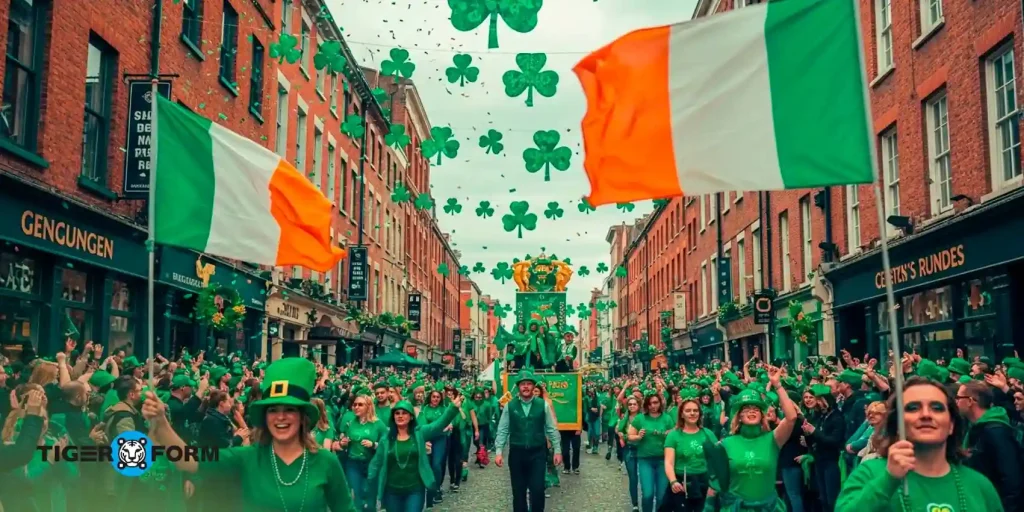
St. Patrick’s Day is celebrated every year on March 1. The day spiritually honors the life, faith, and legacy of Saint Patrick, a 5th-century missionary who brought Christianity to Ireland.
But what is St. Patrick’s Day actually about? And how can you make the most of it?
At its heart, the day is about celebrating the culture of Ireland. Over time, it has grown into something bigger than its religious roots. It’s now a celebration of Irish history, traditions, music, food, community spirit, and more.
Making the most of it doesn’t have to mean throwing a huge party. It can be as simple as learning a bit about the holiday’s history, cooking a traditional Irish dish, wearing something green, or spending time with people you care about.
History of St. Patrick’s Day
Here is a brief timeline of St. Patrick’s Day:
- 5th century: Patrick is born in Britain.
- As a teenager: He is captured and taken to Ireland.
- After several years: He escapes and returns home.
- Later in life: He goes back to Ireland as a Christian missionary.
- Over time: Stories of his work become part of Irish tradition.
- Legend says: He used the shamrock to explain the Holy Trinity.
- March 17: Believed to be the day he died.
- For centuries: The day has been observed in Ireland as a religious feast.
- 1700s: Irish immigrants in the United States begin organizing parades.
- As years pass: Parades grow as Irish communities celebrate their heritage.
- 20th century: The day becomes a national holiday in Ireland.
- Today: St. Patrick’s Day is celebrated around the world as a tribute to Irish culture and history.
St. Patrick’s Day traditions around the world
Even though the meaning of the day lies in Irish heritage, each country celebrates it in its own way. Some focus on large public parades, others highlight food and nightlife, and a few have created unique traditions to celebrate the day.
Major parades
- Dublin, Ireland
Hosts a multi-day festival with a large central parade. It includes performers, marching bands, cultural showcases, and themed floats. The event draws international visitors every year. - New York City, United States
One of the oldest and largest St. Patrick’s Day parades in the world dates back to 1762. It features traditional Irish groups, pipe bands, and community organizations marching along Fifth Avenue. - Chicago, United States
Famous for dyeing the Chicago River green. This tradition began in 1962 and has become one of the city’s most recognized St. Patrick’s Day events. - Sydney, Australia
Celebrates with parades, cultural events, and major landmarks lit up in green as part of global festivities.
How different countries celebrate
- In Ireland, the focus is on cultural festivals, music, and national pride.
- In the United States, celebrations often include large public parades, themed parties, and community gatherings.
- In Canada and Australia, Irish communities organize public events and cultural showcases.
- In parts of Asia, including Tokyo, local Irish groups host parades and festivals to share Irish traditions.
Surprising facts about St. Patrick’s Day
Saint Patrick was not Irish by birth
Saint Patrick was likely born in Britain when it was under Roman rule. As a teenager, he was taken to Ireland as a slave. After escaping, he later returned as a Christian missionary.
March 17 marks his death
The date is traditionally believed to be the day Saint Patrick died in the fifth century. That is why the celebration takes place on March 17 each year.
It began as a Catholic feast day
The Catholic Church formally recognized the day in the 17th century as a religious feast. For many years, it was observed mainly through church services rather than public celebrations.
The shamrock became a symbol through legend
A popular story says Saint Patrick used a three-leaf shamrock to explain the concept of the Holy Trinity. Historians questioned the accuracy of the story, but the shamrock became strongly linked with Irish identity.
Green became symbolic after political rebellions
The color green was connected to Irish nationalism during uprisings in the 17th and 18th centuries. Before that, blue was more commonly associated with Ireland.
The first parades were held outside Ireland
Early St. Patrick’s Day parades took place in what is now the United States. Records show a parade in St. Augustine, Florida, in 1601, and later marches in Boston and New York City during the 1700s.
Chicago’s green river started as a practical test
In Chicago, workers originally used dye to track pollution in the river. In 1962, the river was dyed green for St. Patrick’s Day as a public celebration. The tradition continues today.
The Irish government expanded the festival
In the 1990s, Ireland developed a larger national festival to promote tourism and Irish culture. Dublin now hosts a multi-day celebration each year.
Leprechauns come from folklore
Leprechauns are figures from Irish mythology. Earlier stories described them as small supernatural beings. Then they became commercial symbols of the holiday.
Corned beef and cabbage is Irish-American
This dish became popular among Irish immigrants in the United States because beef was more affordable than Irish bacon. It is not a common everyday dish in Ireland.
Celebration ideas for St. Patrick’s Day 2026

A few thoughtful touches can make the day feel special and connected to Irish culture.
Here’s how each idea can come to life in a simple, real way:
1. Wear something green
As we discussed earlier, the color green is linked to Ireland and Irish identity. You can go all in with a green outfit, or just add a scarf, tie, or even green earrings. It’s a small gesture, but it instantly connects you to the spirit of the day.
2. Cook a traditional Irish meal
Prepare one classic dish like Irish stew, soda bread, or corned beef and cabbage. Cooking at home makes the celebration feel personal, and it’s a good way to explore Irish flavors as well.
3. Host a relaxed dinner or get-together
Invite a few friends or family members over. Keep the menu simple and add small details like green napkins or shamrock decorations. The focus should be on conversation and shared food, not perfection.
4. Watch a parade, in person or online
Major cities like Dublin and New York City host large parades every year. If you can attend one locally, even for a short time, you’ll feel the energy. If not, streaming it at home still lets you experience the celebration.
5. Play Irish music in the background
Traditional Irish folk songs or modern Irish artists can change the mood of your home. Music adds atmosphere without any extra effort.
6. Visit a local Irish pub or cultural event
Many places host live music, special menus, or themed gatherings. You can also host a small event at your home, inviting your family, friends, or close ones. Send out a simple RSVP form to know attendees in advance. It helps you confirm the guest count, plan food, and seating properly.
7. Add simple decorations
A few shamrocks, green candles, fairy lights, or a small Irish flag are enough. You don’t need to redecorate your entire space to make it festive.
8. Try a themed dessert or drink
Bake green cupcakes, make a mint dessert, mix festive mocktail recipes, or make other related refreshments. It’s an easy way to give people a little treat of joy.
9. Do a simple craft or activity with children
Paper shamrocks, coloring pages, or small treasure-hunt games based on Irish folklore can make the day fun for younger family members.
10. Learn something about the holiday’s history
Spend a few minutes reading about who Saint Patrick was, his history, including how the day began as a religious feast before becoming a global celebration. Knowing the background makes the traditions feel more meaningful. You can also ask a few fun trivia questions during your celebration:
How to organize a St. Patrick’s Day event smoothly with a form builder
Planning a St. Patrick’s Day event sounds fun until you’re chasing RSVPs, answering the same questions ten times, and trying to remember who’s bringing what. The easiest way to stay in control is to use a form builder from the start.
Here’s a clear step-by-step way to do it using an online form builder like TIGER FORM.
1. Decide the type of event
First, be clear about what you’re hosting:
– House party
– Community gathering
– Office celebration
– Pub night
– Fundraiser
This helps you create the right form structure from the beginning.
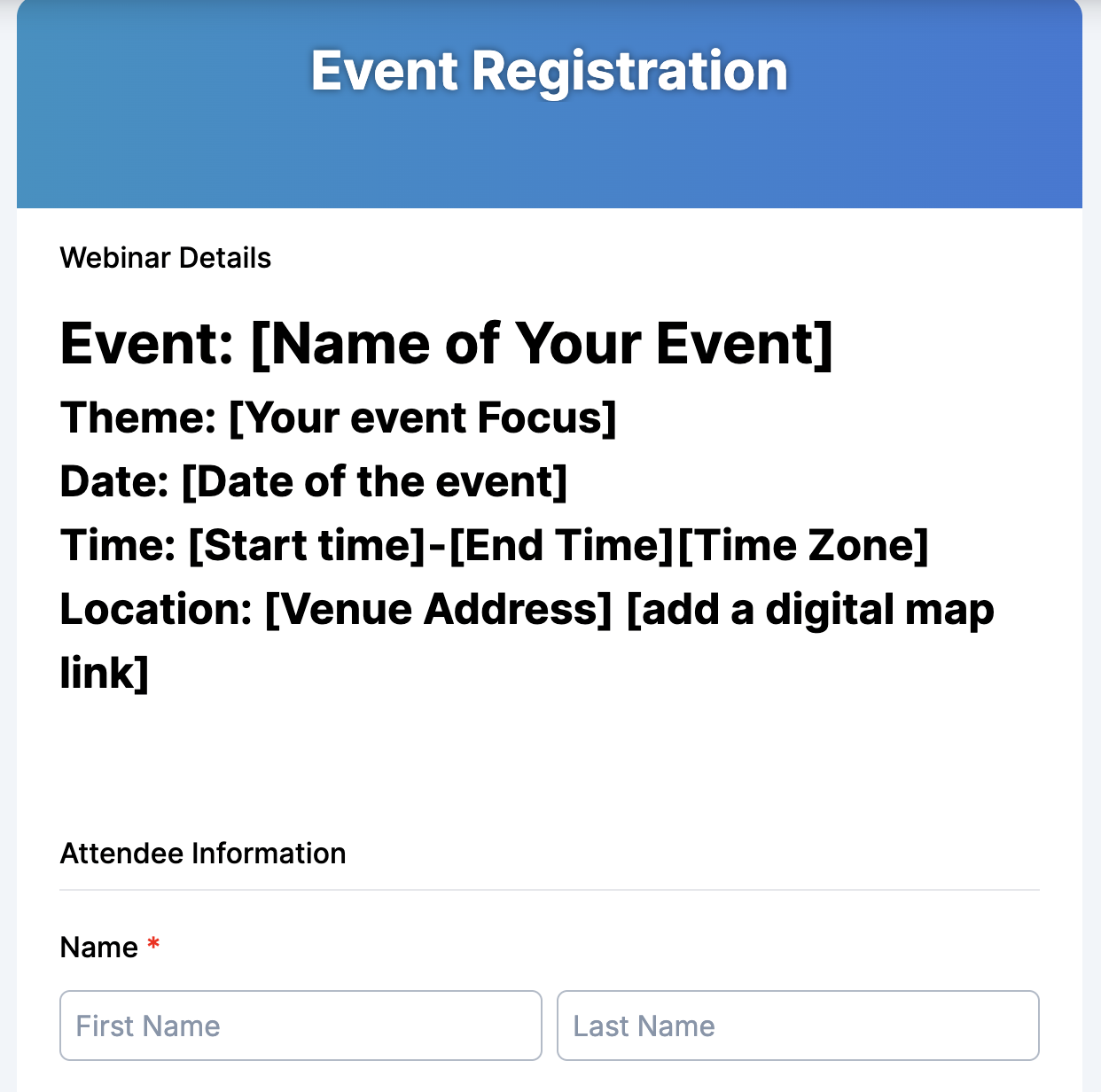
2. Create an event registration form with TIGER FORM
Open the form builder to start creating your event registration form. On the platform, you can also choose:
– A ready-made event registration form template, or
– The AI form builder to generate a form instantly
With the AI feature, you can simply type something like:
“St. Patrick’s Day party RSVP form with food preferences and guest count.”
It will create a structured form in seconds. You can then adjust questions as needed.
3. Add the right fields
Keep it simple and practical. Add:
– Full name
– Email or phone number
– Number of guests
– Food preference (veg, non-veg, allergies)
– Drink preference (optional)
– Plus-one details
– Song requests (for fun)
If it’s a public event, you can also include:
– Ticket selection
– Payment integration
– Volunteer sign-up section
4. Customize the form for the theme
Since it’s St. Patrick’s Day, make the design festive:
– Add a green color theme
– Include a shamrock icon
– Add a short welcome message at the top
5. Share the form
Once your form is ready, you can generate a QR code for the form within the form creator. Share the QR code form via:
– Email it to guests
– Post it on social media
– Embed it on your website
6. Track responses in real time
One of the biggest advantages of using TIGER FORM is response tracking. You can:
– See the total guest count instantly
– Download response data
– Filter by food preferences
– Track payments if it’s a paid event
Make this year’s St. Patrick’s Day your best one
Sometimes the best celebrations are the simple ones that feel relaxed and real.
Pick a couple of things you’ll actually enjoy. Maybe cook one Irish dish you’ve never tried before. Invite a few friends over for dinner. Or just wear something green, play some good music, and lean into the mood of the day. That’s enough.
If you’re hosting an event, use a form generator to organize everything, and plan a little ahead so you’re not scrambling at the last minute. Get your groceries early. Send out invites in time. Keep the menu easy. Enjoy to the fullest.
Happy St. Patrick’s Day!

FAQs
1. Why is there a leprechaun on St. Patrick’s Day?
Leprechauns come from Irish folklore and became associated with St. Patrick’s Day as symbols of Irish culture, mischief, and luck.
2. Why do we wear green on St. Patrick’s Day?
Green is linked to Ireland’s nickname, the Emerald Isle, and to Irish nationalism; wearing it is a way to celebrate Irish heritage and tradition.
3. Is St. Patrick’s Day a holiday?
Yes, St. Patrick’s Day is a public holiday in Ireland, but in countries like the United States, it is widely celebrated without being a federal holiday.