

Easter marks the resurrection of Jesus Christ, three days after his crucifixion. For Christians, this moment is the foundation of their faith, promising salvation and the hope of eternal life. Because of this, Easter stands at the center of the Christian calendar and holds deep meaning for millions of believers around the world.
In 2026, Easter will be observed on Sunday, April 5. As Easter 2026 approaches, churches around the world will prepare for Holy Week, leading to Easter day.
During Holy week, many Christians join in special services that remember the days leading up to the resurrection. While the date changes each year, the message remains the same.
So what makes Easter Day so meaningful across the world? Let’s take a closer look at this special holy season and the creative ways to plan and celebrate this Easter 2026 with your loved ones.
The history behind Easter
Biblical origins
- Easter comes from the story of the resurrection of Jesus Christ, which is described in the Bible. Christians believe this event happened three days after his crucifixion.
- According to the New Testament, Jesus was crucified on a Friday, now known as Good Friday, after being sentenced by Roman authorities.
- His followers believed that he rose from the dead on the third day, which is why Easter Sunday is considered a day of victory, hope, and renewal.
- This belief became the central message of Christianity and the main reason Easter is celebrated every year.
Early Christian observance
- In the early years of Christianity, believers gathered to remember the resurrection through prayers, meals, and special church services.
- At first, different Christian communities celebrated Easter on different dates depending on local traditions.
- To bring consistency, church leaders later agreed on a common way to calculate the date of Easter based on the spring equinox and the full moon.
- Over time, Easter became the most important celebration in the Christian calendar.
- Religious centers such as Vatican City helped shape and spread Easter traditions as Christianity expanded across different parts of the world.
Holy Week 2026: The week leading to Easter Day
Holy Week 2026 is the final week before Easter and one of the most meaningful periods in the Christian calendar. It remembers the last days of Jesus Christ, including his teachings, crucifixion, and resurrection. Throughout the week, Christians attend the events described in the Bible and prepare spiritually for Easter Sunday. Each day of Holy Week has its own significance.
Here is the timeline of Holy Week 2026:
- Palm Sunday (March 29, 2026) – Marks the day Jesus entered Jerusalem and was welcomed by crowds waving palm branches.
- Holy Monday (March 30, 2026) – A day remembered for Jesus’ teaching in the temple and challenging religious leaders.
- Holy Tuesday (March 31, 2026) – Focuses on the teachings of Jesus and his preparation for the days ahead.
- Holy Wednesday (April 1, 2026) – Often called Spy Wednesday or Good Wednesday, remembering the betrayal planned by Judas.
- Maundy Thursday (April 2, 2026) – Observes the Last Supper shared by Jesus and his disciples.
- Good Friday (April 3, 2026) – A solemn day that remembers the crucifixion and death of Jesus.
- Holy Saturday (April 4, 2026) – A quiet day of reflection before the celebration of the resurrection.
- Easter Sunday (April 5, 2026) – Celebrates the resurrection of Jesus and the central message of Christian faith.
Common Easter symbols and their meanings
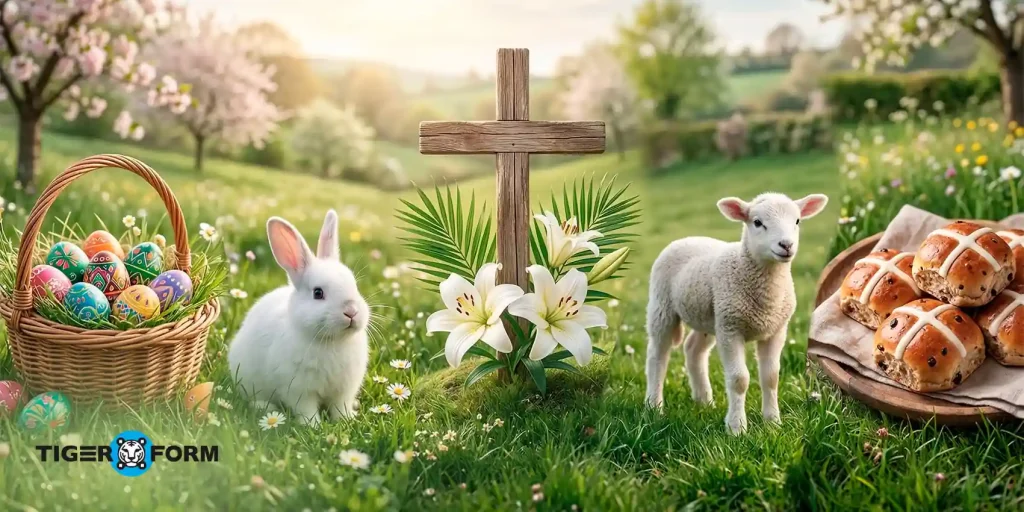
1. Easter eggs
Easter eggs are one of the most popular symbols of Easter. They represent new life and new beginnings, which connect to the story of the resurrection of Jesus Christ.
During Easter, people often decorate, paint, or hide eggs for children to find in egg hunts. This tradition is especially popular in many countries during spring celebrations. The egg symbolizes life coming from closed, showing the renewal and hope that Easter brings.
2. Easter bunny
The Easter Bunny is a well-known character that appears in many Easter traditions. It is often shown carrying baskets of colorful eggs or hiding them for children to find.
This symbol comes from old European spring traditions. Rabbits are linked to new life and fertility because they reproduce quickly. Since Easter is in spring, the bunny naturally became part of the holiday. Over time, the Easter bunny became a fun tradition in many countries.
3. The cross
The cross is the most important symbol of Easter in Christianity. According to the Christian story, Jesus was crucified on a cross before rising again three days later.
Because of this, the cross represents sacrifice, faith, and hope. It reminds believers of the suffering Jesus went through and the message of forgiveness and new life that Easter celebrates.
During Easter, crosses are often seen in churches, homes, and decorations. Some people place flowers around the cross or display it during church services to remember the meaning of the day.
4. Easter lilies
Churches, homes, and gardens often fill with these elegant flowers during the holiday. Their pure white petals are often linked to peace, new life, and spiritual rebirth. Because they bloom around Easter each year, the lily has become one of the most recognized symbols of the season.
5. Lamb
In Christian belief, the lamb is also closely associated with Jesus Christ, who is often called the “Lamb of God.” This title reflects the idea of sacrifice, love, and redemption. For this reason, the lamb appears in religious artwork, church decorations, and Easter services.
You may also see lamb-shaped cakes, decorations, or meals during Easter celebrations in some cultures.
6. Palm branches
Jesus Christ entered Jerusalem, and crowds welcomed him by placing palm branches on the road. This event is remembered on Palm Sunday.
Because of this, palm branches became a symbol of victory, honor, and peace. People used them to show joy and respect for Jesus Christ as he arrived in the city. In many cultures back then, palm branches were often used to celebrate important leaders or special victories.
Today, many churches still give palm leaves to worshippers during Palm Sunday services. Some people keep these leaves at home as a reminder of faith and the beginning of the final week before Easter. The palm branch helps believers remember the events that led up to the Easter story and why the season is meaningful.
7. Hot cross buns
Hot cross buns are a traditional food often enjoyed during Easter. These sweet, soft buns are usually made with spices and small dried fruits like raisins or currants.
What makes them special is the cross marked on the top. This cross is a reminder of the crucifixion of Jesus Christ. Because of this meaning, hot cross buns are commonly eaten on Good Friday, the day that remembers his sacrifice.
Today, hot cross buns are popular in many countries during the Easter season. Families often bake them at home or buy them from bakeries, making them both a meaningful symbol and a seasonal treat.
Creative ways to celebrate this easter 2026
Here are some creative and fun ways to celebrate Easter 2026 that work for families, friends, or community gatherings:
1. Host an Easter egg hunt
An Easter egg hunt is one of the most fun ways to celebrate Easter. Hide colorful eggs around your home, backyard, or a nearby park and let kids search for them. You can fill the eggs with small candies, stickers, or tiny toys to make the activity more exciting.
You can make the hunt even more exciting by adding clues or small challenges that lead to the next egg. Families and friends can join in, turning the hunt into a playful competition. It’s a simple activity that brings everyone together and adds a lot of joy to the celebration.
2. Volunteer or give back
Easter is a meaningful time to show kindness and support others in the community. Many celebrate the day by donating food, helping at shelters, visiting elderly homes, or taking part in local charity drives during Easter. These small acts of generosity can bring comfort and joy to people who may need extra support during the holiday season.
Community groups, churches, and organizations often plan special outreach activities such as food distribution, community meals, or donation collections. If you are organizing such an event, sharing a simple volunteer registration form can make it easier for people to sign up and offer their help.
3. Create a craft corner
Set up a small space at home with Easter-themed crafts, starting at the beginning of Holy Week. It’s a fun way for kids and adults to spend time together while getting ready for Easter. You can decorate eggs with paints, stickers, or glitter, make bunny masks, or create spring-themed cards. You can also try DIY Easter baskets, hand-painted flower pots, or colorful garlands to decorate your home.
Enhance the experience by organizing a mini workshop with all the supplies ready, like paints, brushes, colored paper, ribbons, and glue. Play cheerful music in the background, and let everyone showcase their creations at the end.
4. Organize a brunch
An Easter brunch is a wonderful way to bring family and friends together to celebrate Easter. Decorate your dining area with pastel-colored tablecloths, fresh flowers, and small Easter-themed decorations like mini eggs or bunny figurines. You can customize the menu with a mix of sweet and savory dishes like fresh fruit, pastries, quiches, pancakes, and hot cross buns. Adding spring-inspired drinks like fresh juices, smoothies, or flavored teas can make the table even more inviting.
5. Plan a spring picnic
Easter’s timing in the Spring makes it ideal for outdoor activities. Pack simple snacks like sandwiches, fruits, pastries, and refreshing drinks. Bring a blanket, play outdoor games, and spend time talking and laughing with family or friends. You can also add fun activities, such as a mini egg hunt or spring-themed games, for kids.
6. Bake Easter treats
Baking special treats is a fun and delicious way to celebrate Easter. Families often prepare seasonal desserts such as cookies, cupcakes, chocolate eggs, and traditional Hot Cross Buns. These treats can be decorated with colorful icing, sprinkles, or small candy eggs to match the festive theme.
You can also involve kids in mixing ingredients, shaping dough, or decorating the finished desserts. It turns baking into a joyful activity that everyone can take part in. Sharing homemade Easter treats with family, friends, or neighbors makes the celebration feel wholesome.
7. Run a mini easter giveaway
If you are hosting a community or online event, organize a small giveaway with Easter-themed gifts like chocolates, gift baskets, or handmade crafts. It adds excitement and encourages more people to join the celebration.
Organize your Easter gathering with a quick RSVP form
Planning an Easter gathering becomes much easier when you know who will attend in advance. You can create a simple RSVP form using an online form creator to collect responses in one place. Guests can quickly confirm their attendance, share their contact details, and even add notes such as dietary preferences.
Follow these simple steps to create an RSVP form with form builders like TIGER FORM:
Step 1: Log in to the online form builder
Start by signing up/ logging in to your account. Once you enter the dashboard, you’ll see options to create and manage different forms for events, registrations and more.
Step 2: Use AI form generation
To save time, you can use the AI form generator in TIGER FORM. Simply type a prompt like “Create an Easter RSVP form for a family gathering,” and the tool will automatically generate a ready-to-use form with the essential fields.
Step 3: Choose an RSVP form template (Optional)
If you prefer, you can also start with a pre-built RSVP form template. Form Templates already include common fields like guest name, contact details, and attendance confirmation, making it easy to set up the form quickly.
Step 4: Customize the form fields
Edit the form title and add or adjust fields such as Name, Email, Number of Guests, and RSVP confirmation. You can also include optional questions like food preferences or special requests.
Step 5: Share the form with guests
Once the form is ready, you can generate a QR code for your RSVP form so guests can simply scan it with their phones and confirm their attendance instantly.
Step 6: Track RSVPs in real time
All responses will appear in your TIGER FORM dashboard, allowing you to quickly see who is attending and plan your Easter gathering smoothly.

Easter Day 2026: A Time for Reflection and Celebration
Every year, Easter Day reminds people of hope, faith, and new beginnings. It is also a moment to start new traditions. Some families write gratitude notes, share stories about the meaning of Easter with children, or spend time outdoors enjoying nature. These small moments help people slow down and appreciate the joy of the present.
This Easter 2026, let us make the day even more meaningful by bringing people together in thoughtful ways. Plan a small gathering, organize fun activities for family and friends, or take part in a community celebration. Simple efforts like sharing a meal, playing games with children, or helping organize a local event can turn the day into a memorable experience for everyone.
May the spirit of Easter bring hope to your heart, happiness to your home, and the promise of new beginnings for the days ahead.
Happy Easter!
FAQs
1. Why does Easter change date each year?
Easter follows the lunar calendar. It is celebrated on the first Sunday after the first full moon following the spring equinox.
2. Why is Easter celebrated with eggs?
Eggs represent new life and renewal, which connect with the message of the resurrection. Over time, decorating and gifting eggs became a popular Easter tradition.
3. What is Holy Week?
Holy Week is the week leading up to Easter Day. It remembers the final days of Jesus Christ, including Palm Sunday, Good Friday, and the resurrection on Easter Sunday.
4. What is the meaning of Good Friday?
Good Friday is the day Christians remember the crucifixion and death of Jesus Christ. It is observed as a solemn day of prayer and reflection.
5. What is the Easter Bunny tradition?
The Easter Bunny comes from European spring traditions where rabbits symbolized fertility and new life. Today, it is part of fun activities like Easter egg hunts for children.