
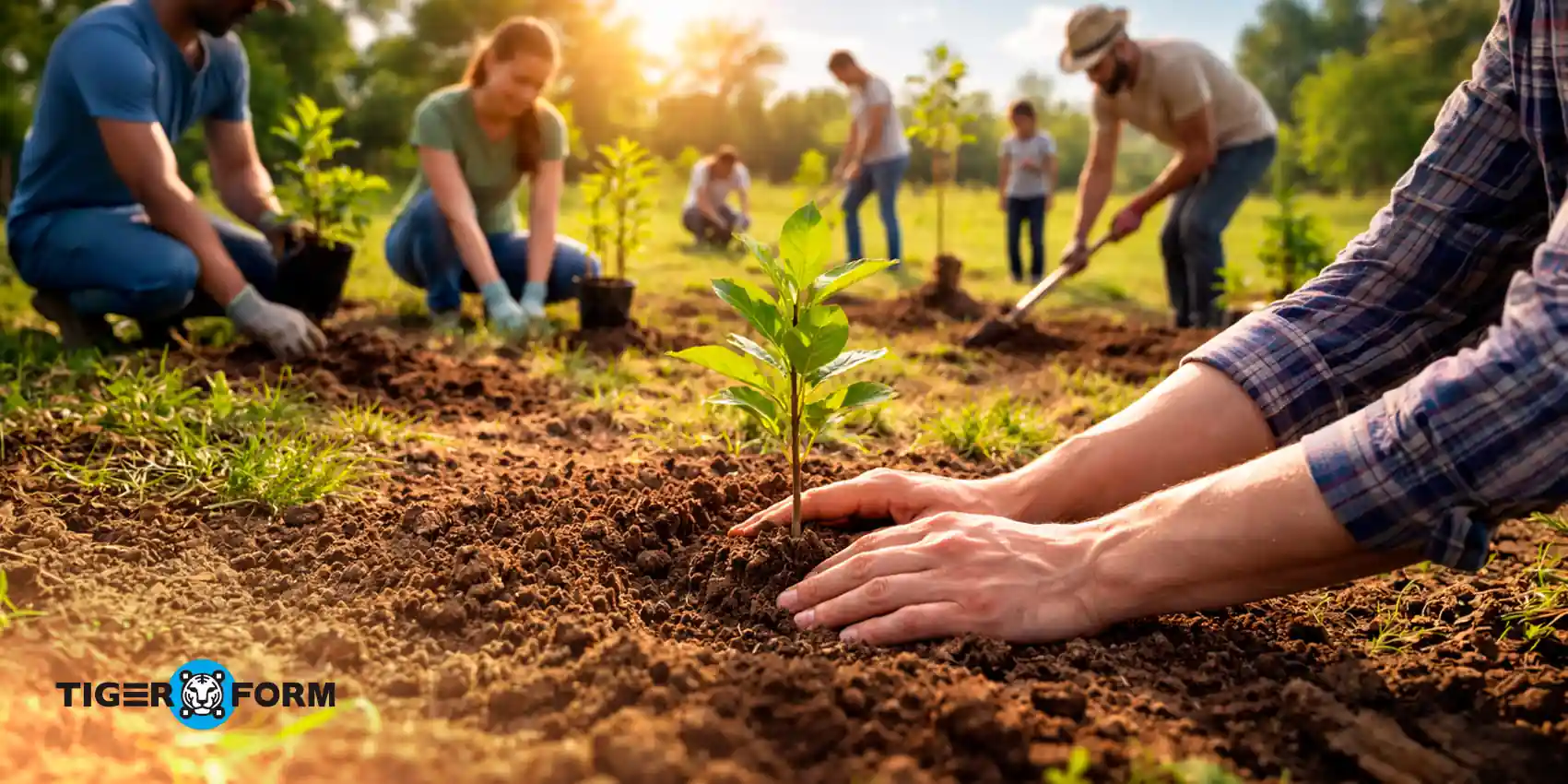
“The best time to plant a tree was 20 years ago. The second best time is now.”
Planting a tree is one of the simplest ways to care for the Earth, yet its impact lasts for generations. Trees clean the air, provide shade, and support life around us. Because of their importance, we celebrate Arbor Day, a day dedicated to planting and protecting trees.
In the United States, Arbor Day is observed on the last Friday of April, which falls on April 24 in 2026. The day began with a simple idea: encourage people to plant more trees. Over time, it grew into a meaningful tradition that highlights the role trees play in keeping our environment healthy.
Arbor Day matters because it reminds us that even a small action, like planting one tree, can make a real difference for the planet.
Let’s read on to know some interesting facts about Arbor Day, how it first began, and simple ways you can take part in the celebration.
The history and origins of Arbor Day
Here is a more detailed timeline of how Arbor Day began:
- Early 1800s: Large parts of the American plains had very few trees. Settlers needed trees for shade, building materials, fuel, and wind protection for farms.
- 1854: Julius Sterling Morton moved to the Nebraska Territory with his wife. He believed that planting trees would improve both the environment and daily life for communities living on the plains.
- 1872: Morton proposed the idea of a special tree-planting holiday during a meeting of the Nebraska State Board of Agriculture. His goal was simple: encourage people to plant as many trees as possible.
- April 10, 1872: The first official Arbor Day was celebrated in Nebraska. Communities, farmers, and schoolchildren took part, planting more than one million trees in a single day.
- 1885: The day became an official state holiday in Nebraska. Schools often celebrated the day by planting trees and teaching students about nature.
- Late 1800s: The idea quickly spread to other states across the United States. Many communities adopted their own celebrations.
- Early 1900s: The tree-planting tradition began spreading internationally. Several countries created their own versions of Arbor Day to promote environmental care.
- Late 20th century: Environmental movements helped renew interest in tree planting and conservation around the world.
- Today: Arbor Day is celebrated in many countries. Schools, environmental groups, and communities plant trees, run educational programs, and promote the importance of protecting forests.
Arbor Day around the world
Arbor Day began in the United States, and later the idea quickly spread to other parts of the world as people recognized how important trees are for the environment. Not every country celebrates this day by the same name, but many observe a similar day dedicated to planting trees and protecting forests.
Each country chooses a time that fits its climate and the best season for planting trees. In some places it happens in spring, while in others it takes place during the rainy season when young trees can grow more easily.
Today, many countries celebrate this day by organizing tree-planting events, school activities, and environmental programs.
- Algeria – October 27
- Australia – July 28 (schools) and July 30 (national)
- Belgium – Around March 21
- Brazil – September 21
- Cambodia – June 1
- Central African Republic – July 22
- Taiwan – March 12
- China – March 12
- Costa Rica – June 15
- Egypt – January 15
- Germany – April 25
- India – First week of July (Van Mahotsav)
- Iran – March 5
- Israel – Tu Bishvat (January or February)
- Japan – April 29
- Kenya – April 21
- Lesotho – March 21
- North Macedonia – March 12
- Malawi – Second Monday of December
- Mexico – Second Thursday of July
- Namibia – August 10
- Netherlands – Around March 21
- New Zealand – June 5
- Niger – August 3
- Philippines – June 25
- Poland – October 10
- Portugal – March 21
- South Africa – September 1–7 (Arbor Week)
- South Korea – April 5
- Sri Lanka – October 15
- Tanzania – January 1
- Uganda – March 24
- United States – Last Friday of April
- Venezuela – Last Sunday of May
Ways to celebrate Arbor Day and make a positive impact
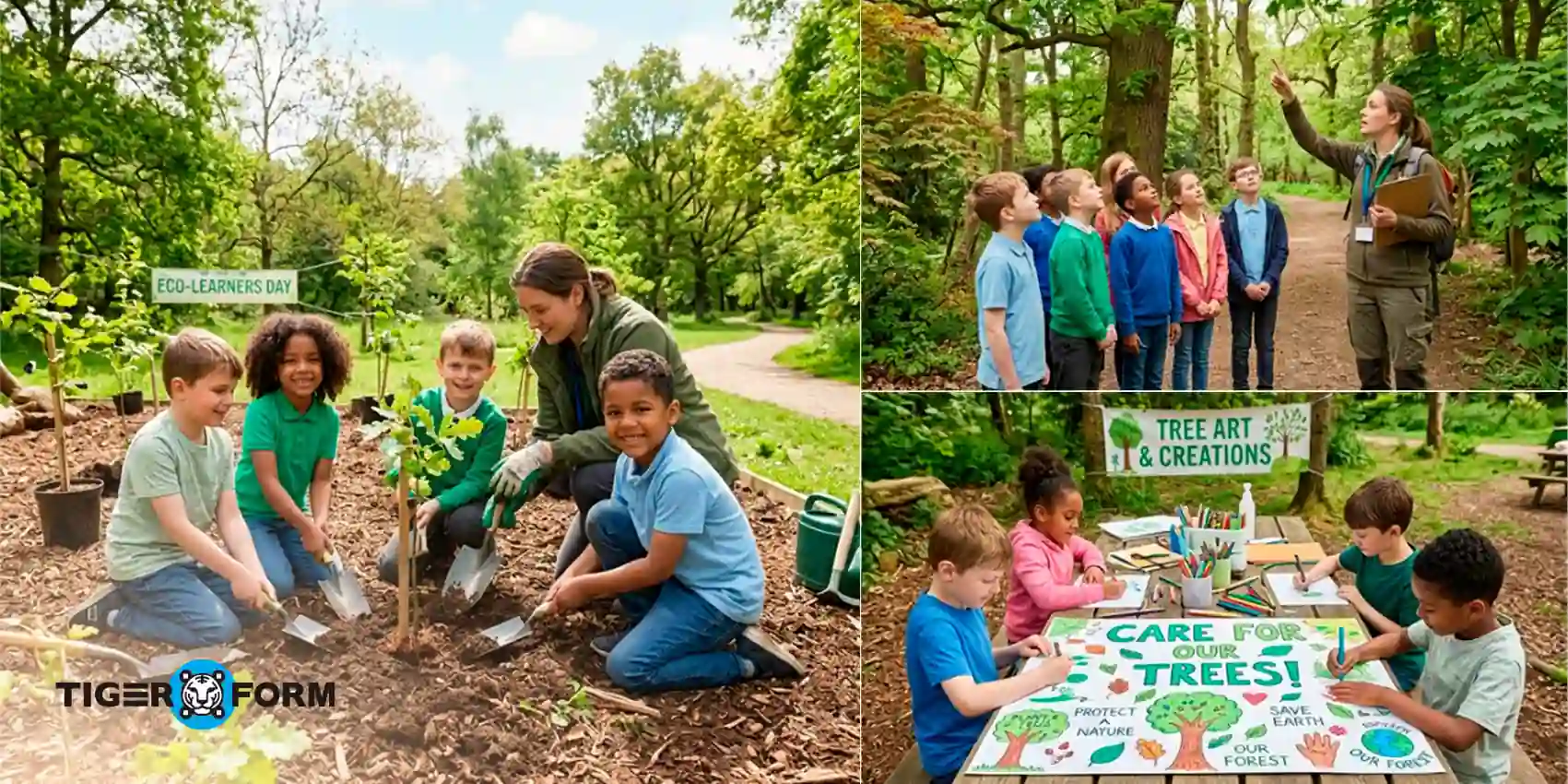
For schools
Arbor Day is a great opportunity for schools to teach students about nature and environmental responsibility. Through fun and hands-on learning, students can better understand the role trees play in keeping our planet healthy. These activities also help children develop a sense of care and respect for the environment.
1. Tree planting projects
One of the most meaningful activities is planting trees on school grounds or in nearby parks. Students can work together to plant saplings and learn how to care for them as they grow. This activity shows them how a small action today can benefit the environment for many years.
2. Tree identification walks
Taking students on a nature walk around the school campus or a nearby park is another engaging activity. During the walk, teachers can help students identify different types of trees by their leaves, bark, or fruit.
3. Classroom poster competitions
Poster-making competitions are creative Arbor Day activities that allow students to express their ideas about protecting trees. Students can design posters with messages about conservation, forests, and the importance of planting trees. Displaying these posters around the school can spread awareness among other students.
4. Trivia quiz
A trivia quiz can make learning about trees fun and interactive. Teachers can prepare simple trivia questions about forests, tree species, and the history of Arbor Day.
For communities
Arbor Day is not only for schools or environmental groups. Local neighborhoods, clubs, and community organizations can also take part in meaningful activities that support greener and healthier surroundings. When communities work together, the celebration becomes a shared effort that benefits both people and the environment.
1. Adopt a local green space
Community members can choose a nearby park, roadside area, or open land and take responsibility for maintaining it. Activities may include watering young trees, removing weeds, and keeping the area clean so the trees can grow properly.
2. Create a community tree map
Residents can work together to identify and document the different trees in their neighborhood. This can be done by mapping tree locations and learning about their species, age, and environmental benefits.
3. Organize a tree donation drive
Communities can collect funds to purchase saplings and donate them to parks, schools, or public spaces. This allows more trees to be planted, even if individuals do not have space to plant them at home.
4. Start a community composting program
Composting leaves and organic waste can help create natural fertilizer for trees and plants. Communities can set up shared compost bins that turn waste into useful nutrients for gardens and green spaces.
5. Invite local experts for a nature talk
Environmentalists, gardeners, or forestry experts can be invited to speak about the importance of trees and how communities can protect them. These talks help spread environmental awareness and inspire long-term action.
6. Create a “Plant a tree in memory” program
Communities can plant trees to honor loved ones or celebrate special occasions. This meaningful activity encourages people to connect personal memories with environmental care.
7. Support local reforestation projects
Communities can partner with environmental groups that focus on restoring forests or planting trees in degraded areas. Volunteering or donating to such projects helps expand the impact beyond the neighborhood.
8. Organize a green pledge campaign
Residents can take simple pledges such as reducing paper waste, protecting local trees, or planting at least one tree each year. Public pledges encourage collective responsibility for the environment.
9. Host a tree-themed community fair
Local groups can organize a small fair with eco-friendly stalls, plant sales, and information booths about tree conservation. Events like these create awareness while bringing people together.
10. Share stories and knowledge about local trees
Community elders or local historians can share stories about old trees in the area and their significance. This helps people appreciate the history and cultural value connected to trees.

Arbor Day Trivia questions for classrooms and events
1. When was the first celebration of Arbor Day held?
April 10, 1872.
2. Who founded the holiday that encourages planting trees?
J. Sterling Morton.
3. Which U.S. state started this tree-planting tradition?
Nebraska.
4. In which city did the first celebration take place?
Nebraska City.
5. About how many trees were planted during the first event?
Around one million trees.
6. What is the main purpose of this environmental holiday?
To encourage people to plant and care for trees.
7. When is it usually celebrated in the United States?
The last Friday in April.
8. What does the word “Arbor” mean?
Tree.
9. Which activity is most commonly associated with the celebration?
Planting trees.
10. Which holiday inspired early traditions of planting trees?
Tu Bishvat.
11. Why was the celebration first created in Nebraska?
The region had very few trees and needed more for shade, wind protection, and resources.
12. What environmental problem can planting trees help reduce?
Climate change.
13. Which month most often hosts celebrations in the United States?
April.
14. Which country celebrates a similar tree-planting festival called Van Mahotsav?
India.
15. During which week is Van Mahotsav usually celebrated?
The first week of July.
16. What type of organizations often organize tree-planting events?
Schools, environmental groups, and local governments.
17. What simple action do people take during these celebrations to help nature?
Plant trees.
18. Which places often host these activities?
Parks, schools, and community spaces.
19. Why are young trees planted during these events?
To increase tree populations and support the environment.
20. Which group of people often participates in these activities?
Students and volunteers.
21. Why are trees important to plant?
They improve air quality and support wildlife.
22. What environmental movement does this holiday promote?
Tree planting and conservation.
23. Which country celebrates the holiday on April 5 and calls it Sikmogil?
South Korea.
24. Which Asian country observes the celebration on March 12?
China.
25. Which South American country celebrates Tree Day on September 21?
Brazil.
26. Which European country celebrates the holiday on April 25?
Germany.
27. Which country celebrates it on June 5 along with World Environment Day?
New Zealand.
28. Why do different countries observe the celebration on different dates?
Because planting seasons vary by climate.
29. What is a young tree commonly called?
A sapling.
30. What do communities often organize during this holiday?
Tree-planting drives.
31. Which natural resource do these activities aim to protect?
Forests.
32. What type of event do schools often host during the celebration?
Tree-planting activities.
33. What type of campaigns are common during this time?
Environmental awareness campaigns.
34. Why do cities plant more trees during these events?
To improve green spaces and air quality.
35. Which types of groups often volunteer during these celebrations?
Community and environmental groups.
36. What long-term benefit do newly planted trees provide?
Shade and cleaner air.
37. What environmental action is encouraged every year during the celebration?
Planting at least one tree.
38. Which type of land is often restored through community planting programs?
Parks and public green spaces.
39. Which environmental topic is commonly taught in schools during the celebration?
Tree conservation.
40. What do many communities organize to plant large numbers of trees?
Community planting programs.
41. Why do people volunteer at these events?
To support environmental conservation.
42. Besides planting trees, what are people encouraged to care for?
Existing trees.
43. Which environmental value does this holiday promote?
Sustainability.
44. What type of holiday is Arbor Day considered?
An environmental holiday.
45. What does this celebration teach younger generations?
The importance of protecting trees.
46. What do many organizations distribute during the celebration?
Free tree saplings.
47. Which activity helps connect communities during this event?
Group tree planting.
48. What message does the celebration promote worldwide?
Protect and plant trees.
49. Why is this environmental holiday important for the future?
It encourages long-term environmental care.
50. What simple habit can people start every year to support the environment?
Planting at least one tree annually.

Turn these Trivia questions into an online quiz with a form builder
If you want to make your Arbor Day trivia more engaging, turning the questions into an online quiz with an online form creator is easy and a great idea. Instead of simply reading the questions, people can actively participate by answering them through a digital form.
1. Sign in to TIGER FORM
Start by logging in to your TIGER FORM account. Once you access the dashboard, you will see options to create a new form, use a template, or generate one using AI.
2. Choose a form template
The form builder provides ready-made form templates for quizzes, surveys, and registrations. Select a quiz or trivia template and open it in the form editor.
3. Use the AI form generator
If you want to create the quiz faster, you can use the AI form builder within the form creator. Simply type a prompt such as “Create an Arbor Day trivia quiz.” The AI will automatically generate a structured form with questions and answer options that you can edit or expand.
4. Add your Trivia questions
Now replace the placeholder questions with your trivia questions. You can add questions about notable figures, the history of the day, or how Arbor Day is celebrated in different countries. Depending on how you want participants to answer, set the fields as multiple choice, dropdown, or short answer.
5. Customize the form design
The platform allows you to customize the form design with layout, colors, and headings. You can add a title such as “Arbor Day Trivia Quiz,” include a short introduction, and even add images related to trees or environmental themes to make the quiz more engaging.
6. Share the form via QR code
After creating your trivia quiz in TIGER FORM, you can easily share the form via QR code. The platform includes a built-in QR code feature that instantly generates a scannable code for your form.
Simply download the QR code and place it on posters, classroom boards, event banners, or social media posts.
Celebrate Arbor Day by planting for the future
Arbor Day reminds us that small actions today can create a healthier planet for the future. Planting a tree may seem simple, but that one step can bring long-term benefits for the environment, wildlife, and the communities we live in.
Celebrating Arbor Day can be easy and meaningful. You can plant a tree in your garden, join a local planting event, or encourage children to learn about the importance of trees. Even sharing the message about protecting nature can inspire others to take part.
So this 2026, let’s give nature the gift of a tree and the promise of a greener planet.

FAQs
1. What is the meaning of Arbor Day?
Arbor Day is a day dedicated to planting and caring for trees. It encourages people to protect nature and create a greener environment.
2. Is Arbor Day a national US holiday?
Arbor Day is observed across the United States, but it is not a federal public holiday. Many states celebrate it with tree-planting events and environmental activities.
3. Is Arbor Day celebrated around the world?
Yes, Arbor Day is celebrated in many countries, though the date may vary depending on climate and local tree-planting seasons. Each country observes it in its own way to promote environmental awareness and tree planting.